
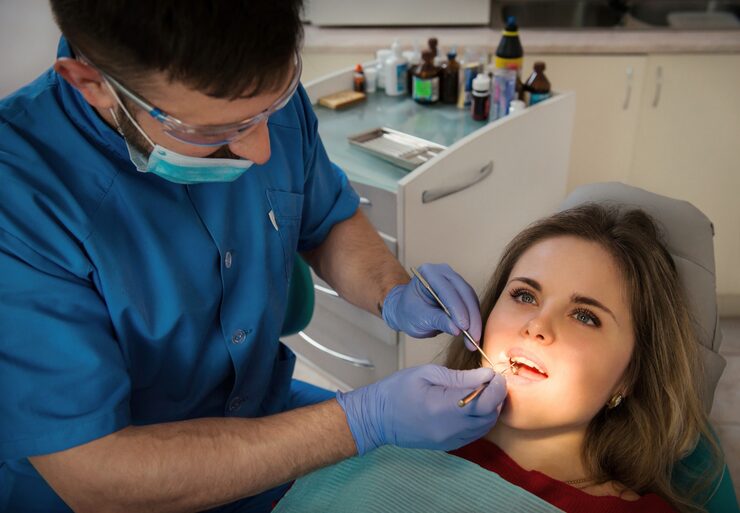
Dental veneers and dental bonding are two treatment options that can improve the appearance of teeth. They may be used to address chips, small gaps, discolouration, worn edges, or uneven tooth shape.
Although both treatments can change how teeth look, they are not the same. Dental bonding is usually a more conservative option for small repairs, while veneers may be considered when a patient wants a larger change to the front teeth.
The right choice depends on the condition of the teeth, the patient’s goals, oral habits, and the amount of tooth structure available.
What Are Dental Veneers?
Dental veneers are thin shells that are bonded to the front surfaces of teeth. They are often made of porcelain, though composite veneers may be used in some cases.
Veneers can change the colour, shape, size, or appearance of the front teeth. They may be recommended for teeth that are stained, worn, chipped, slightly uneven, or affected by small spaces.
In many cases, porcelain veneers require some enamel removal to fit properly. Because of this, veneer treatment is usually considered a long-term commitment.
What Is Dental Bonding?
Dental bonding uses tooth-coloured composite resin to repair or reshape a tooth. The material is placed directly on the tooth, shaped, hardened with a curing light, and polished.
Bonding may be used for small chips, minor gaps, uneven edges, or areas of discolouration. It is often completed in one visit and usually requires little to no removal of natural tooth structure.
Because bonding material is not as strong or stain-resistant as porcelain, it may need repairs or replacement over time.
What Are the Main Differences?
Veneers and bonding can both improve the appearance of teeth, but they differ in material, process, durability, and cost.
Common differences include:
- Material: Veneers are often made from porcelain, while bonding uses composite resin.
- Treatment Time: Bonding is often completed in one visit, while porcelain veneers usually require more than one appointment.
- Tooth Preparation: Veneers may require enamel removal, while bonding usually requires little to no preparation.
- Durability: Porcelain veneers are generally more resistant to staining and wear than bonding.
- Repair Needs: Bonding is easier to repair, while damaged veneers may need to be replaced.
Neither option is automatically better for every patient. The best choice depends on the tooth, the concern being treated, and the patient’s long-term goals.
Which Option Is Better for Small Repairs?
Dental bonding is often a suitable choice for small cosmetic repairs. It may be recommended for a small chip, a slightly uneven edge, a minor space, or a small area of discolouration.
Bonding is also a more conservative treatment because it usually preserves more natural tooth structure. It can be a good option when the concern is limited to one or two teeth.
However, bonding can stain over time and may not last as long as porcelain veneers. Patients who grind their teeth, bite their nails, or chew hard objects may be more likely to chip the bonding material.
Which Option Is Better for a Larger Smile Change?
Veneers may be considered when a patient wants to change several front teeth at once. They can help improve colour, shape, symmetry, and tooth proportions.
Porcelain veneers are designed to reflect light in a way that looks similar to natural enamel. They are also more stain-resistant than composite resin. This may make them a suitable option for patients who want a longer-lasting cosmetic change.
However, veneers are not right for every tooth. They may not be recommended if there is active tooth decay, gum disease, very little enamel, large fillings, or uncontrolled grinding.
Comparing Cost and Long-Term Value
Bonding usually costs less than veneers at the start. It may be a practical option for smaller changes or patients who want a more conservative repair.
Veneers usually cost more because they require more planning, preparation, and lab work. They may last longer than bonding when they are cared for properly, but they still need maintenance and may eventually need replacement.
Instead of choosing based on cost alone, patients should consider:
- The size of the concern
- The condition of the tooth
- The expected lifespan of the treatment
- The risk of staining or chipping
- The amount of tooth structure involved
- The long-term maintenance needs
A dental exam can help compare the benefits and limitations of each option.
How Does the Bonding Process Work?
The bonding process is usually simple and conservative. In many cases, numbing is not needed unless bonding is being used to treat decay or a sensitive area.
The tooth surface is gently prepared so the material can attach properly. Composite resin is then applied, shaped, hardened with a curing light, and polished to blend with the tooth.
How Are Porcelain Veneers Placed?
Porcelain veneer treatment usually involves more planning. During the first visit, the dentist examines the teeth, discusses the patient’s goals, and checks whether veneers are appropriate.
If veneers are recommended, a thin layer of enamel may be removed from the front surfaces of the teeth. Impressions or digital scans are taken, and temporary veneers may be placed while the final veneers are made.
At the final visit, the veneers are checked for fit, shape, and shade before being bonded to the teeth.
Ready to Compare Your Options?
Both dental bonding and dental veneers can improve the appearance of teeth, but the right option depends on your oral health, goals, and the condition of your teeth.
At Dental Elements, our team can assess your smile, explain your treatment options, and help you choose a plan that fits your needs. Book an appointment today to learn whether dental bonding, dental veneers, or another treatment option may be right for you.
Frequently Asked Questions
Does getting veneers or bonding hurt?
Bonding is usually comfortable and often does not require numbing. Veneer treatment may involve numbing if enamel needs to be removed, so the patient can stay comfortable during preparation.
Can I eat normally with veneers or bonding?
Most patients can eat normally after treatment. However, it is best to avoid biting hard objects, chewing ice, or using the front teeth to open packages.
Will the colour match my other teeth?
Bonding and veneers can be shade-matched to the surrounding teeth. The goal is to create a result that blends naturally with the smile.
How do I care for veneers or bonding?
Brush twice daily, floss every day, and attend regular dental visits. A nightguard may be recommended if you grind or clench your teeth.
Are veneers better than bonding?
Not always. Veneers may be better for larger cosmetic changes, while bonding may be better for small repairs. A dental exam can help determine which option is more appropriate.