
Porcelain Veneers
Chips, stains, worn edges, or uneven front teeth can affect the way a smile looks. Porcelain veneers may be an option for improving the appearance of selected teeth when the teeth and gums are healthy enough for treatment.
At Dental Elements, we assess your teeth, bite, gums, and smile goals before recommending veneers. This helps us determine whether porcelain veneers are suitable or whether another treatment would better support your oral health.
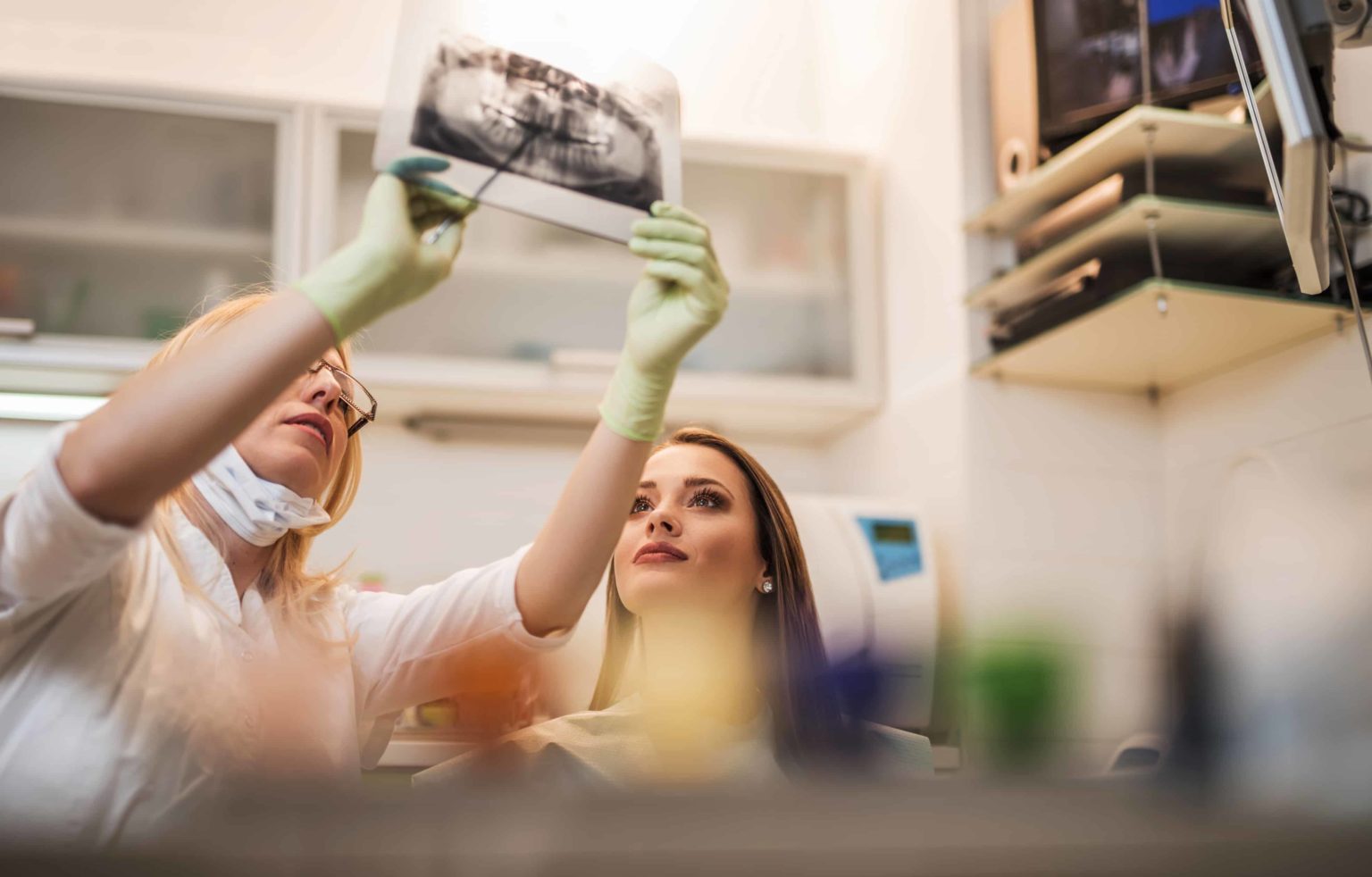
What Are Porcelain Veneers?
Porcelain veneers are thin shells that are bonded to the front surfaces of teeth. They are custom-made to help change the appearance of teeth by adjusting their colour, shape, size, or spacing.
Porcelain veneers are most often used on visible front teeth. They may be recommended for teeth that are stained, chipped, worn, slightly uneven, or affected by small gaps. However, they are not suitable for every case. Teeth with active decay, gum disease, severe wear, or limited enamel may need other treatment first.
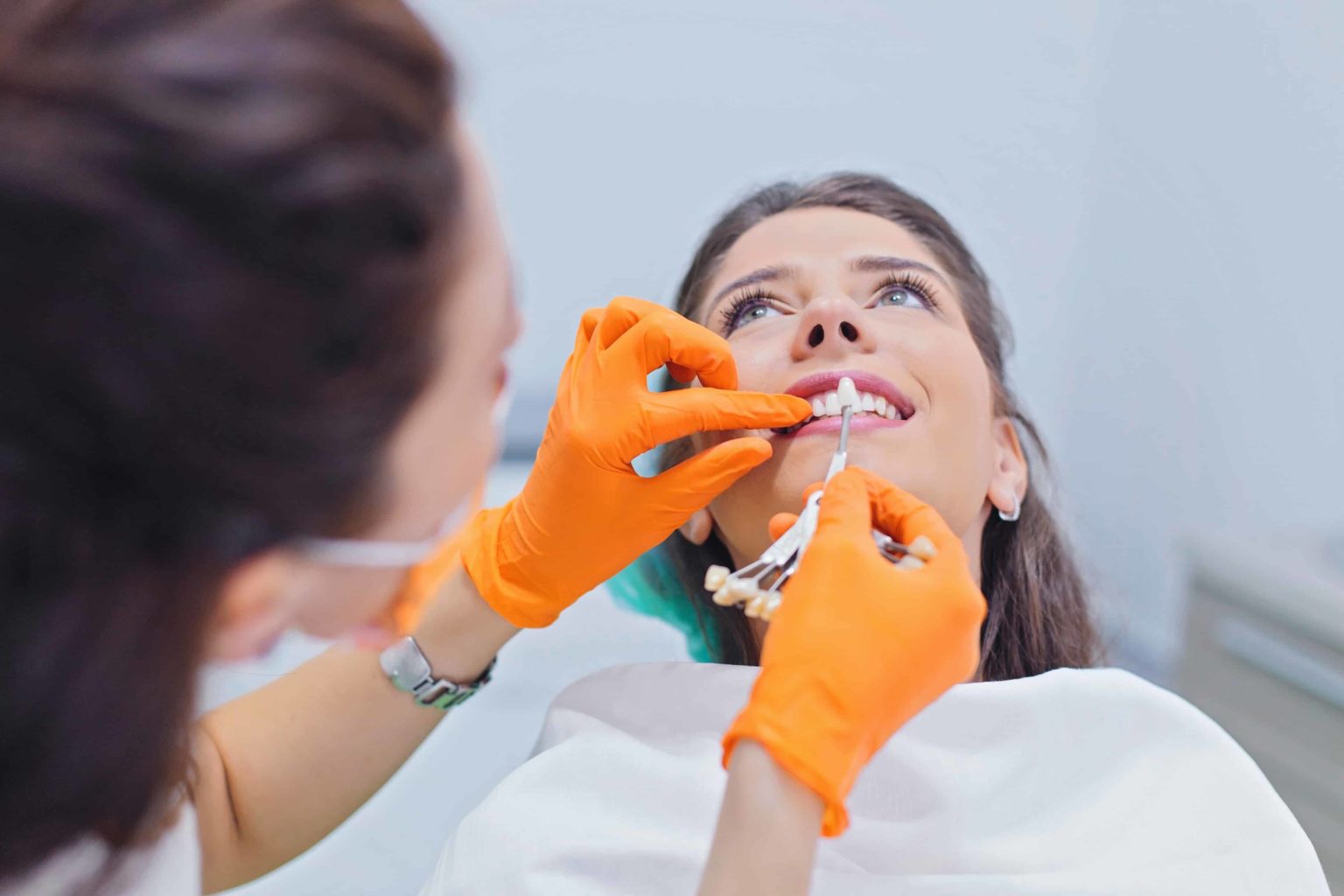
What Problems Can Porcelain Veneers Help With?
Porcelain veneers may help improve the appearance of:
- Stained Teeth: Veneers may cover stains that do not respond well to whitening.
- Small Chips: Veneers may improve the shape of teeth with minor chips.
- Worn Edges: Veneers may restore a more even appearance to worn front teeth.
- Minor Gaps: Veneers may help close small spaces between selected teeth.
- Uneven Shape: Veneers may improve teeth that look short, narrow, or uneven.
Veneers are mainly cosmetic. If a tooth has decay, infection, fracture lines, or major structural damage, we may recommend another treatment, such as a filling, crown, root canal, or extraction, depending on the condition of the tooth.

What Happens During Porcelain Veneers?
Porcelain veneer treatment usually takes more than one visit. During treatment, we take the following steps:
- Assessing Your Teeth: We examine your teeth, gums, bite, and oral health to see whether veneers are appropriate.
- Discussing Your Goals: We talk with you about the changes you would like to make to your smile.
- Planning the Treatment: We discuss the shape, shade, and expected result.
- Preparing the Teeth: We may remove a thin layer of enamel to make room for the veneers.
- Taking Impressions or Scans: We take a mould or digital scan so the veneers can be custom-made.
- Placing Temporary Veneers: We may place temporary coverings while the final veneers are being made.
- Checking the Fit: We check the final veneers for fit, shade, shape, and bite comfort.
- Bonding the Veneers: We bond the veneers to the teeth and make final adjustments if needed.
After treatment, veneers should be cared for with daily brushing, flossing, and regular dental visits. It is also important to avoid biting hard objects, using teeth as tools, or chewing ice, as these habits can damage veneers or natural teeth.

Restore Your Smile with Personalized Care
Porcelain veneers can improve the appearance of front teeth, but they should be recommended only after a careful dental assessment. The right treatment depends on your oral health, enamel, bite, habits, and cosmetic goals.
At Dental Elements, we provide porcelain veneer consultations in a clear and informed way. Our team can examine your teeth, explain your options, and help you decide whether veneers are suitable for your smile.
Call or visit us today to schedule a consultation.
Get In Touch
FAQ's
How long do porcelain veneers last?
Porcelain veneers can last for many years with proper care. Their lifespan depends on oral hygiene, bite habits, diet, grinding or clenching, and regular dental visits.
Can you go back to natural teeth after veneers?
In many cases, porcelain veneers require some enamel removal. Because of this, the treated teeth may always need veneers or another type of restoration in the future.
What do teeth look like after veneers are removed?
Teeth may look smaller, thinner, or more sensitive after veneers are removed, especially if enamel was prepared before placement. Replacement veneers or another restoration may be needed.
Can veneers replace decayed teeth?
No. Veneers do not replace decayed teeth. Decay must be treated first, and teeth need enough healthy structure before veneers can be considered.
Who may not be a good candidate for veneers?
Patients with active decay, gum disease, severe enamel loss, heavy grinding, bite concerns, or poor oral hygiene may need other treatment before veneers are recommended.
What happens to the teeth under veneers?
The teeth under veneers still need daily care. Decay or gum problems can still develop if brushing, flossing, and regular dental visits are not maintained.