
Oral Cancer Screenings
Changes in the mouth are not always easy to notice at home. At Dental Elements, we include oral cancer screenings as part of a careful approach to oral health. An oral cancer screening allows our dental team to check the oral tissues for unusual changes.
Screening does not diagnose cancer, but it can help identify areas that may need monitoring, follow-up, or referral for further assessment.
What Are Oral Cancer Screenings?
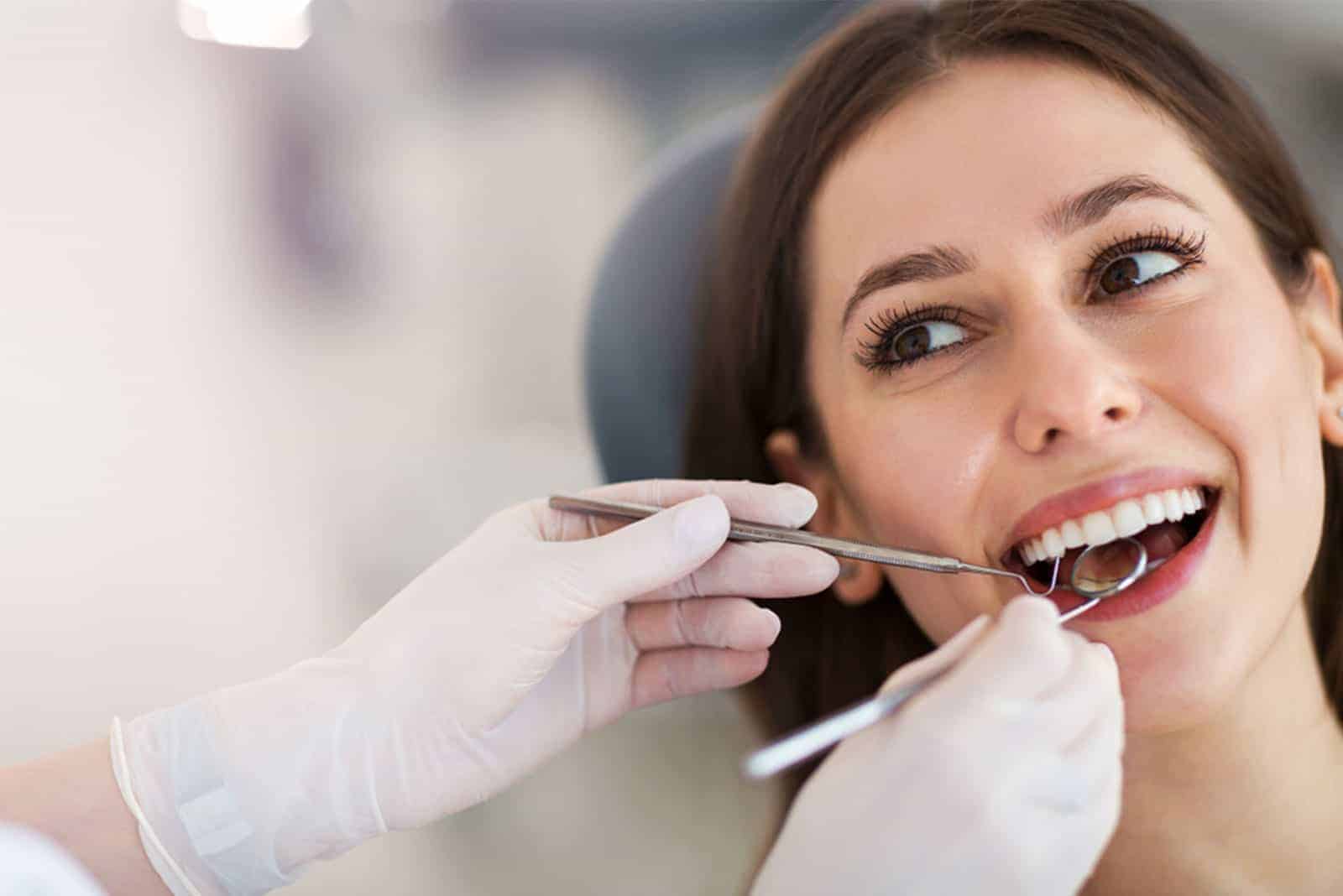
An oral cancer screening is a visual and physical examination of the mouth, lips, tongue, gums, throat area, and surrounding tissues. During the screening, we look for unusual changes such as sores, lumps, swelling, or red or white patches.
If we notice something unusual, we may recommend monitoring the area, scheduling a follow-up visit, or referring you for further assessment. An oral cancer screening is not the same as a cancer diagnosis, and further testing may be needed if a suspicious area is found.
When Do You Need Oral Cancer Screenings?
Oral cancer screenings may be included during routine dental exams. Some patients may need more regular screening based on their risk factors, symptoms, or health history.
An oral cancer screening may be especially important if you have:
- A sore in the mouth that does not heal
- A red or white patch on the gums, tongue, or cheek
- A lump or thickened area in the mouth or neck
- Unexplained bleeding, numbness, or pain
- Difficulty chewing, swallowing, or moving the tongue
- A lasting sore throat or voice change
- A history of tobacco or frequent alcohol use
- A history of oral cancer or HPV exposure
- Long-term sun exposure affecting the lips
These signs do not always mean cancer is present, but they should be checked by a dental or medical professional.
What Happens During Oral Cancer Screenings?
An oral cancer screening is usually quick and does not require special preparation. It may be completed during a dental exam.
During your screening, we take the following steps:
- Reviewing Your Health History: We ask about symptoms, habits, medical history, and any changes you have noticed.
- Checking the Lips and Face: We look for changes in colour, texture, swelling, or sores.
- Examining the Mouth: We check the tongue, cheeks, gums, roof of the mouth, and floor of the mouth.
- Looking at the Throat Area: We assess the back of the mouth and throat area when possible.
- Feeling the Tissues: We gently feel the jaw, neck, and surrounding areas for lumps or swelling.
- Discussing Next Steps: We explain whether the area looks normal or whether follow-up is recommended.
- Referring When Needed: We may refer you to a specialist if an area needs further assessment.
If a change is found, it does not always mean cancer is present. Some spots are caused by irritation, injury, infection, or other non-cancerous conditions. Further assessment helps determine the cause.
Why Oral Cancer Screenings Matter
Oral cancer can sometimes develop without obvious pain in the early stages. Regular dental visits allow us to check the lips, mouth, tongue, gums, throat area, and surrounding tissues for unusual changes. If we notice an area that needs attention, we can monitor it, recommend a follow-up visit, or refer you for further assessment.
Screening is one part of oral health care. It can help support earlier attention to tissue changes, but it does not replace medical diagnosis or specialist testing when those steps are needed.
Protect Your Oral Health with Regular Screening
At Dental Elements, we provide oral cancer screenings as part of our commitment to careful, informed dental care. Our team can assess your oral tissues, answer your questions, and help you stay aware of changes that may need attention.
Call or visit us today to schedule an appointment.
FAQ's
What is the purpose of an oral cancer screening?
An oral cancer screening helps check the mouth, lips, tongue, gums, throat area, and surrounding tissues for unusual changes that may need monitoring or further assessment.
How often should a person get an oral cancer screening?
Many patients receive screening during routine dental exams. The recommended frequency depends on risk factors, symptoms, and oral health history.
Can a dentist tell if you have mouth cancer?
A dentist can look for suspicious signs and recommend further assessment, but a cancer diagnosis usually requires additional testing, such as a biopsy.
Can you have mouth cancer for years without knowing?
Some oral cancers may develop without obvious symptoms at first. Regular dental exams can help identify changes that may otherwise be missed.
At what age is oral cancer most common?
Oral cancer is more common in adults, especially those with risk factors such as tobacco use, frequent alcohol use, HPV exposure, or a history of oral cancer.
Is self-screening at home enough?
No. Self-checks can help you notice changes, but they do not replace a professional screening. A dental exam allows the tissues to be checked more thoroughly.