
Dental Crowns & Bridges
Damaged or missing teeth can affect how you chew, speak, and feel about your smile. Dental crowns and bridges are restorative treatments that can help rebuild tooth structure, protect weakened teeth, and replace missing teeth.
At Dental Elements, we provide dental crowns and bridges to support comfort, function, and appearance. Our team will examine your teeth, discuss your needs, and recommend an option based on your oral health.
What Are Dental Crowns & Bridges?
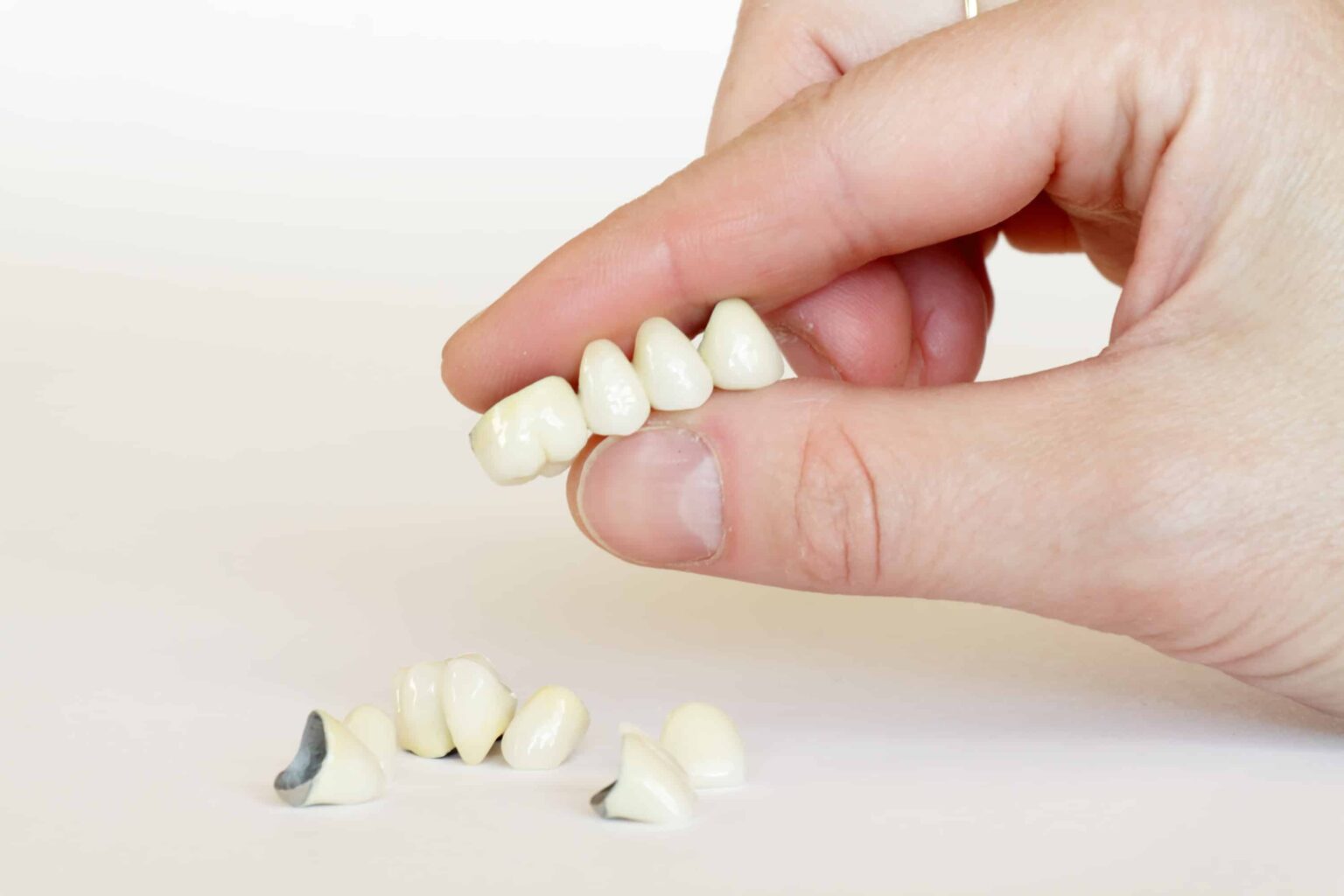
Dental crowns and bridges are custom-made restorations used to repair or replace teeth.
A dental crown is a tooth-shaped cover placed over a damaged or weakened tooth. It can help restore the tooth’s shape, strength, appearance, and function. A crown may be recommended when a tooth has a large filling, a crack, heavy wear, or has had root canal treatment.
A dental bridge is used to replace one or more missing teeth. It includes an artificial tooth, called a pontic, that fills the gap. The bridge is supported by natural teeth or dental implants on one or both sides of the missing tooth.
Crowns and bridges may be made from porcelain, ceramic, porcelain fused to metal, metal alloys, or other dental materials. The right material depends on the tooth’s location, bite pressure, appearance goals, and oral health needs.
When Do You Need Dental Crowns & Bridges?
Crowns and bridges are used for different concerns. A crown may be recommended when a tooth is still present but needs protection or support. A bridge may be recommended when one or more teeth are missing.
We recommend a crown or bridge to:
- Restore a cracked or weakened tooth
- Protect a tooth after root canal treatment
- Replace a large or damaged filling
- Cover a worn or misshapen tooth
- Replace one or more missing teeth
- Support normal biting and chewing
- Help maintain smile appearance
A dental exam is needed to determine whether a crown, bridge, implant, filling, or another treatment is most appropriate.

What Services Are Included in Dental Crowns & Bridges?
- Dental Crowns: A crown covers and protects a damaged or weakened tooth.
- Traditional Dental Bridges: A bridge replaces a missing tooth and is supported by nearby natural teeth.
- Implant-Supported Bridges: A bridge may be supported by dental implants when suitable.
- Replacement Restorations: An old, loose, damaged, or worn crown or bridge may need repair or replacement.
- Material Selection: We help choose a material based on appearance, strength, and function.
The best option depends on the condition of your teeth, gums, bite, and supporting structures.
What Happens During Dental Crowns & Bridges?
The process may vary depending on whether you are receiving a crown, bridge, or replacement restoration.
During your treatment, we may follow these steps:
- Dental Assessment: We examine your teeth, gums, bite, and X-rays to plan treatment.
- Tooth Preparation: We reshape the supporting tooth or teeth so the restoration can fit properly.
- Impressions or Scans: We take a mould or digital scan to create the custom crown or bridge.
- Temporary Restoration: We may place a temporary crown or bridge while the final restoration is being made.
- Fit Check: We check the final crown or bridge for fit, shape, shade, and bite comfort.
- Final Placement: We cement or bond the restoration in place once the fit is appropriate.
- Final Adjustments: We polish the restoration and make any needed bite adjustments.
After placement, the tooth or gums may feel slightly sensitive for a short time. Contact our team if discomfort continues, worsens, or affects chewing.
Benefits of Dental Crowns & Bridges
Dental crowns and bridges can help restore damaged or missing teeth when they are recommended for the right situation.
Possible benefits include:
- Stronger Tooth Support: A crown can help protect a weakened tooth.
- Improved Chewing: A crown or bridge can support normal biting and chewing.
- Natural-Looking Results: Tooth-coloured materials can blend with nearby teeth.
- Missing Tooth Replacement: A bridge can fill the space left by missing teeth.
- Smile Balance: Restorations can improve the shape and appearance of the smile.
- Long-Term Function: With proper care, crowns and bridges can last for many years.
The benefits depend on the tooth, restoration type, bite pressure, and home care habits.
Restore Your Smile with Personalized Care
A damaged or missing tooth should be assessed before it leads to more discomfort or changes in your bite. Dental crowns and bridges can help restore function, support your oral health, and improve the look of your smile.
At Dental Elements, we provide dental crowns and bridges based on each patient’s needs. Our team can explain your options, answer your questions, and recommend a treatment plan that supports your comfort and long-term oral health.
Call or visit us today to schedule an appointment.
FAQ's
How long do dental crowns and bridges last?
Dental crowns and bridges can last for many years with good oral hygiene and regular dental visits. Their lifespan depends on the material used, bite pressure, oral habits, and home care.
How many visits are usually required for a crown or bridge?
Many crown and bridge treatments take two visits. The first visit is usually for preparation and impressions or scans. The second visit is usually for placement of the final restoration.
Can a bridge replace two missing teeth?
Yes, a bridge may replace two or more missing teeth when there is enough support from natural teeth or dental implants. A dental exam is needed to confirm whether this is suitable.
How long after a tooth extraction can a bridge be placed?
The timing depends on healing, gum condition, and the treatment plan. Some patients may need several weeks or longer before a bridge can be placed.
Should I get a crown or a bridge?
A crown is used to restore a damaged tooth. A bridge is used to replace one or more missing teeth. Our team can assess your teeth and explain which option may be appropriate.
Is it ever too late to get a dental bridge?
Not always. A bridge may still be an option after a tooth has been missing for some time, but bone, gum, bite, and spacing changes must be assessed first.