
Tooth Extraction in Millwoods
A tooth extraction may be recommended when a tooth cannot be repaired or when keeping it may affect your oral health. This may happen because of deep decay, infection, fracture, severe gum disease, crowding, or wisdom tooth concerns.
At Dental Elements, we assess your tooth, gums, X-rays, symptoms, and treatment options before recommending an extraction. If another treatment can safely restore the tooth, we will discuss that option with you.
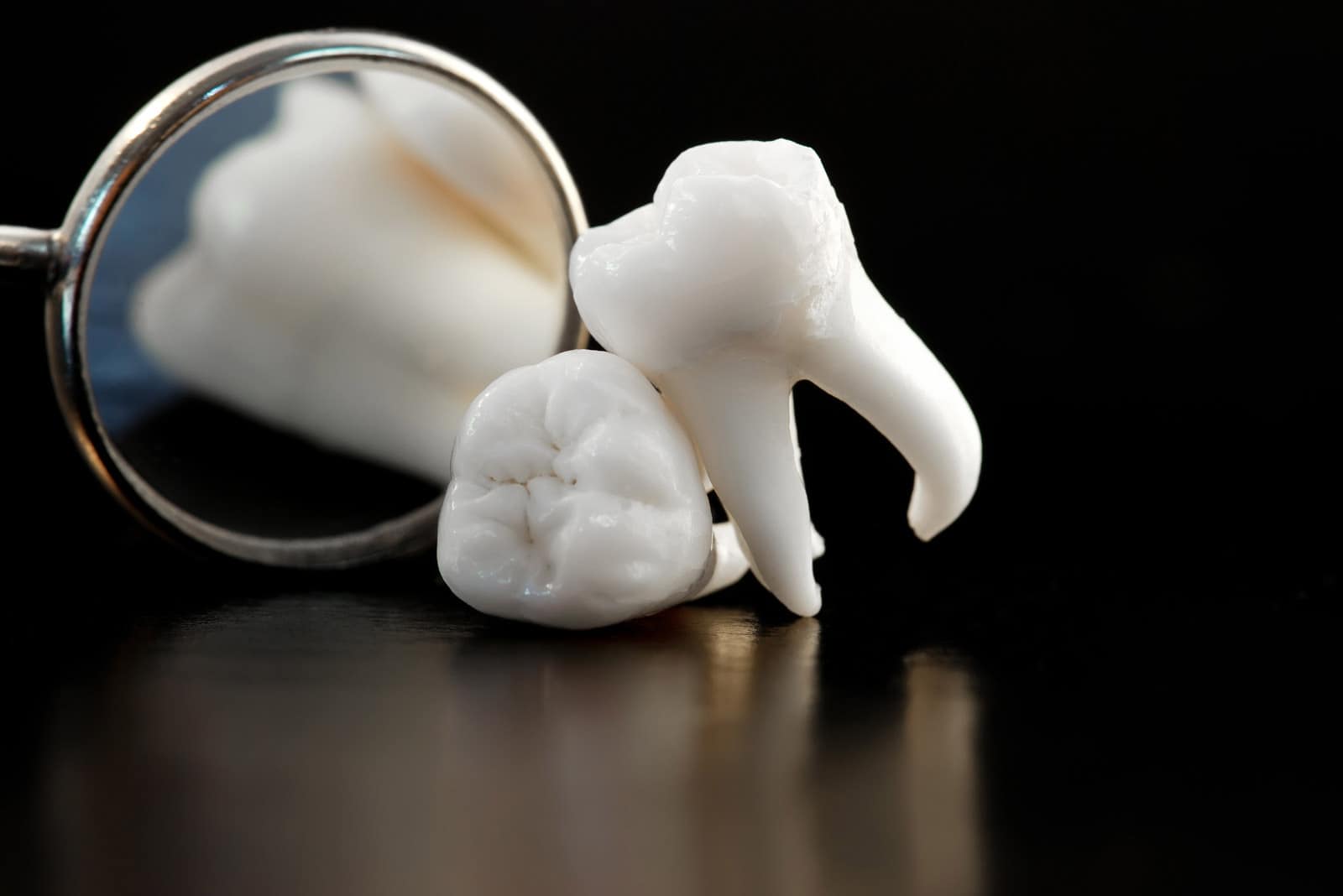
What Are Tooth Extractions?
A tooth extraction is the removal of a tooth from its socket. Some extractions are simple, while others are more complex and may require surgical treatment.
A simple extraction may be possible when the tooth is visible above the gumline and can be removed without making an incision. A surgical extraction may be needed when a tooth is broken, impacted, trapped below the gumline, or difficult to access.
When Do You Need Tooth Extractions?
Tooth extractions may be considered when a tooth cannot be saved or when removal is needed to protect oral health.
An extraction may be recommended for:
- Severe Tooth Decay: A tooth may need removal if decay has damaged too much tooth structure.
- Advanced Infection: An extraction may be needed if infection cannot be treated with other dental care.
- Broken Teeth: A tooth may need removal if it is fractured beyond repair.
- Severe Gum Disease: A loose tooth may need removal if the supporting bone and gums are badly affected.
- Crowding Concerns: A tooth may be removed as part of an orthodontic or treatment plan.
- Wisdom Tooth Problems: A wisdom tooth may need removal if it is impacted, infected, painful, or damaging nearby teeth.
Not every damaged tooth needs to be removed. A dental exam and X-rays help us decide whether a filling, crown, root canal, periodontal care, or extraction is the most appropriate option.

What Services Are Included in Tooth Extractions?
Tooth extraction care may include different types of treatment depending on the tooth and the situation.
We provide:
Simple Extractions: We remove a visible tooth that can be loosened and taken out with dental instruments.
Surgical Extractions: We may remove a tooth that is broken, impacted, or difficult to access.
Wisdom Tooth Assessment: We check the position of wisdom teeth and whether they are causing or may cause problems.
Referral if Needed: We may refer you to an oral surgeon or specialist if the extraction is more complex.
Aftercare Guidance: We explain how to care for the area after the tooth is removed.
What Happens During Tooth Extractions?
The exact steps depend on the tooth, its position, and the type of extraction needed. During treatment, we take the following steps:
- Examining the Tooth: We assess the tooth, gums, symptoms, and X-rays.
- Discussing Your Options: We explain whether the tooth can be repaired or whether removal is recommended.
- Planning the Extraction: We review the type of extraction, possible risks, and aftercare instructions.
- Numbing the Area: We use local anaesthesia to help keep you comfortable during treatment.
- Removing the Tooth: We carefully loosen and remove the tooth using the appropriate technique.
- Controlling Bleeding: We place gauze and give instructions to help a blood clot form.
- Reviewing Aftercare: We explain how to care for the area and what symptoms to watch for.
- Planning Next Steps: We discuss follow-up care or tooth replacement options if needed.
Some discomfort, swelling, or bleeding can happen after an extraction. Contact us if bleeding does not slow down, pain worsens, swelling increases, or you notice signs of infection.
How to Care for Your Mouth After a Tooth Extraction
After an extraction, following the aftercare instructions helps support healing and reduce the risk of complications.
You may be advised to:
- Bite gently on gauze as directed.
- Avoid rinsing for the first 24 hours.
- Avoid drinking through a straw.
- Avoid smoking or vaping.
- Eat soft foods at first.
- Brush carefully around the extraction area.
- Use cold compresses as recommended.
- Take medication only as directed.
A dry socket can happen if the blood clot does not form properly or becomes dislodged. This can cause increased pain and delayed healing. If pain becomes worse after a few days or does not improve, contact the dental team.
Protect Your Oral Health with Timely Care
A tooth extraction may be needed when a tooth can no longer be repaired or when removal helps protect nearby teeth, gums, or overall oral health. We will only recommend extraction after assessing the tooth and discussing your options.
At Dental Elements, we provide careful tooth extraction assessments and clear aftercare guidance. Our team can answer your questions, explain what to expect, and help you plan the next step in your care.
Call or visit us today to schedule an appointment.
FAQ's
At what point is tooth extraction necessary?
Tooth extraction may be necessary when a tooth is severely decayed, damaged, infected, loose, impacted, or cannot be restored with other treatment.
What happens if a badly decayed tooth is not treated?
A badly decayed tooth can lead to pain, infection, abscess, bone loss, and damage to nearby teeth. A dental exam is needed to determine whether the tooth can be treated or should be removed.
Will removing a decayed tooth stop the pain?
Removing a severely decayed tooth may relieve pain caused by that tooth, but healing time and follow-up care may still be needed. Pain should always be assessed before treatment is recommended.
How do you know if a wisdom tooth needs removal?
A wisdom tooth may need removal if it is impacted, painful, infected, difficult to clean, damaging nearby teeth, or causing gum problems. X-rays help us assess its position.
What is the oldest age you can get wisdom teeth?
Wisdom teeth usually appear in the late teens or early twenties, but they may appear later or never fully come in. Some people do not develop all four wisdom teeth.
Will a dentist remove an infected wisdom tooth?
An infected wisdom tooth may be removed, but the timing depends on the infection, swelling, symptoms, and overall health. In some cases, infection may need to be managed before extraction.