
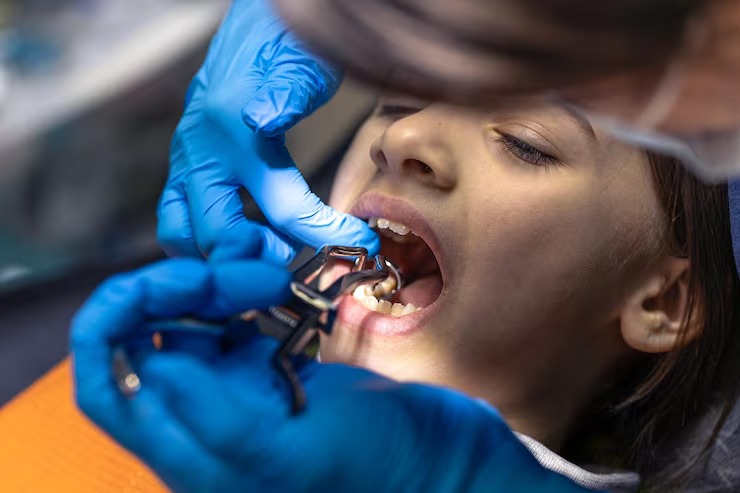
Dental sealants are thin protective coatings placed on the chewing surfaces of back teeth. These teeth often have deep grooves where food and plaque can collect. Even with good brushing, these grooves can be difficult to clean fully.
Sealants help cover these areas and create a smoother surface. This can make the back teeth easier to clean and may lower the risk of cavities when used along with daily brushing, flossing, fluoride, healthy eating habits, and regular dental visits.
What Are Dental Sealants?
Dental sealants are thin layers of dental material applied to the chewing surfaces of molars and premolars. These back teeth are commonly used for chewing and often have small pits and grooves.
Sealants are most often recommended for children and teenagers when their permanent molars come in. Adults may also benefit from sealants if their back teeth have deep grooves and no decay or existing restorations in those areas.
The process is usually quick and comfortable. The tooth is cleaned and dried, and the sealant material is placed on the chewing surface. A curing light may be used to harden the material. Once the sealant is set, the tooth can be used for normal chewing.
Why Are Sealants Used?
Sealants help protect the chewing surfaces of back teeth. These surfaces are more likely to trap food and plaque due to their grooves.
When plaque sits on the teeth, bacteria can produce acids that weaken enamel and increase the risk of cavities. A sealant helps block the grooves where plaque and food may collect.
Sealants do not replace daily oral care. They are one part of preventive dental care and work best when combined with brushing, flossing, fluoride, balanced nutrition, and regular dental exams.
How to Brush Teeth with Sealants
Teeth with sealants should be brushed the same way as natural teeth. Brush twice daily using a soft-bristled toothbrush and fluoride toothpaste.
When brushing, pay attention to the back teeth where sealants are usually placed. Move the toothbrush gently along the chewing surfaces, gumline, and sides of the teeth. Brushing too hard is not needed and may irritate the gums or wear down tooth surfaces over time.
Children may need help brushing until they are able to clean all areas properly on their own. Parents can check the back teeth to make sure food and plaque are not being missed.
Why Flossing Is Still Important
Sealants only protect the chewing surfaces of the teeth. They do not cover the spaces between teeth or the gumline. For this reason, flossing is still important.
Flossing once a day helps remove plaque and food from between the teeth, where a toothbrush cannot reach. Children may need help with flossing, especially around the back teeth.
If flossing is difficult, a dental professional may recommend floss picks, interdental brushes, or another tool that is easier to use.
Foods and Habits to Watch
Sealants are durable, but they can still wear down or chip over time. Certain habits may increase the risk of damage.
To help protect sealants:
- Avoid chewing ice, pens, or other hard objects.
- Limit sticky candies that can pull at dental materials.
- Reduce frequent sugary snacks and drinks.
- Drink water more often between meals.
- Eat a balanced diet that supports oral health.
These habits help protect both the sealants and the natural teeth around them.
Why Regular Dental Visits Matter
Sealants should be checked during routine dental visits. A dental professional can look for signs of wear, chips, or missing areas. If a sealant is damaged, it may be repaired or replaced when appropriate.
Regular dental visits also allow the dental team to check for cavities, monitor gum health, and provide guidance on home care. Sealants are helpful, but cavities can still develop in other areas of the mouth if plaque is not removed well.
Many patients benefit from dental checkups every six months, but the right schedule depends on oral health needs and cavity risk.
How Long Do Sealants Last?
Dental sealants can last for several years with proper care. Their lifespan depends on oral habits, bite pressure, diet, and regular dental maintenance.
Sealants may wear down gradually, especially on teeth that handle strong chewing forces. This is why they should be checked regularly. If a sealant is no longer covering the grooves properly, a dental professional can recommend whether it should be repaired or replaced.
Signs a Sealant May Need Attention
A sealant may need to be checked if it feels different or if symptoms develop. It is a good idea to book a dental visit if you notice:
- A rough or uneven spot on the tooth
- A missing or chipped area
- Food catching in the grooves
- Pain while chewing
- Sensitivity to hot, cold, or sweet foods and drinks
Protect Your Teeth with Preventive Care
Dental sealants can help protect back teeth from cavities when they are recommended for the right patient and properly cared for. They are most effective when combined with good home care, fluoride, healthy eating habits, and regular dental checkups.
At Dental Elements, we provide preventive dental care for children, teens, and adults. Our team can check whether sealants are suitable for your teeth and explain how to care for them after placement.
Book an appointment at Dental Elements to learn whether dental sealants may be right for you or your child.
Frequently Asked Questions
Can sealants fall off?
Yes. Sealants can wear down, chip, or come off over time. Regular dental visits allow the dental team to check them and repair or replace them if needed.
Do sealants change how I brush my teeth?
No. Teeth with sealants should still be brushed twice daily with fluoride toothpaste. It is important to clean the chewing surfaces, sides of the teeth, and gumline.
Can adults get sealants?
Yes. Adults may benefit from sealants if their back teeth have deep grooves and are at risk for cavities. A dental exam can determine whether sealants are appropriate.
How much do sealants cost?
The cost of sealants can vary depending on the tooth, the patient’s needs, and insurance coverage. Patients should check with their dental office or insurance provider for details.
Do sealants prevent all cavities?
No. Sealants help protect the chewing surfaces of back teeth, but they do not protect every part of the mouth. Brushing, flossing, fluoride, healthy eating habits, and regular dental visits are still needed.