
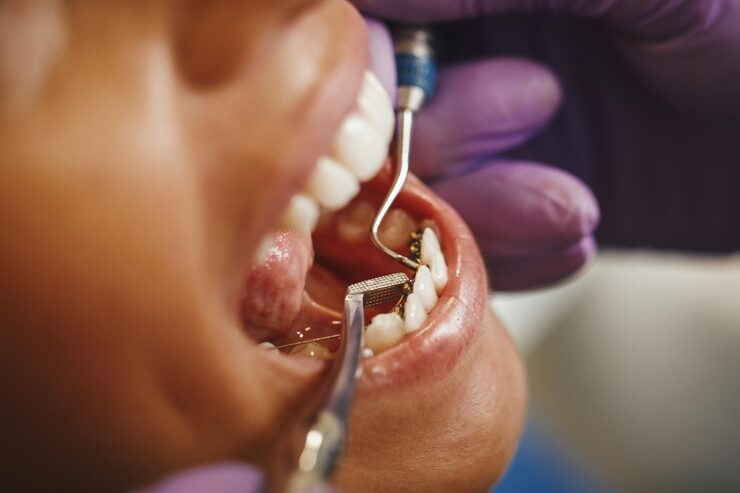
When a tooth has a cavity, crack, or damaged filling, the right treatment depends on how much healthy tooth structure remains. A standard filling may work for smaller areas of damage. A crown may be recommended when a tooth needs more coverage. In some cases, a dental inlay may be an option between these two treatments.
Dental inlays are custom-made restorations used to repair damage within the chewing surface of a back tooth. Because an inlay does not cover the entire tooth like a crown, it may help preserve more natural tooth structure when the remaining tooth is healthy enough to support it.
Understanding Dental Inlays
A dental inlay is an indirect restoration, which means it is made outside the mouth and then bonded to the tooth. Inlays are often used for premolars and molars when the damage is too large for a simple filling but does not require a full crown.
Unlike a regular filling, which is shaped directly in the tooth, an inlay is made from a mould or digital scan. This allows the restoration to fit the prepared area of the tooth closely.
Inlays may be made from porcelain, composite resin, gold, or other dental materials. The right material depends on the tooth, bite, appearance goals, and oral health needs.
Why Preserving Natural Tooth Structure Matters
Natural tooth structure supports the strength and function of the tooth. Once enamel or dentin is removed or damaged, it cannot grow back. For this reason, dentists often try to preserve as much healthy tooth structure as possible when planning treatment.
Preserving natural tooth structure may help:
- Support the tooth’s long-term strength
- Maintain normal chewing function
- Protect healthy enamel and dentin
- Reduce the need for more extensive treatment
- Maintain the natural shape of the bite
However, preservation must be balanced with safety and durability. If a tooth is too weak, a crown or another treatment may be more appropriate.
When May an Inlay Be Recommended?
An inlay may be considered for:
- A medium-sized cavity in a back tooth
- A cracked or worn filling that needs replacement
- Damage that is too large for a standard filling
- A tooth with enough healthy structure remaining
- A restoration that needs a custom fit
A dental exam is needed to determine whether an inlay is suitable. If the damage extends over one or more cusps, an onlay or crown may be needed instead.
Choosing the Right Material
Different materials may be used for dental inlays. Each option has benefits and limitations.
Porcelain Inlays:
Porcelain inlays are often chosen because they can be matched to the colour of the surrounding teeth. They are also resistant to staining and can provide a strong, natural-looking result.
Composite Inlays:
Composite inlays are made from tooth-coloured resin material. They may be used in some cases when a more conservative or repairable option is preferred. Composite may not be as wear-resistant as porcelain, depending on the location and biting forces.
Gold Inlays:
Gold inlays are less common for visible areas, but they may be used for strength and durability in some back teeth. They do not match the natural tooth colour, so appearance is an important consideration.
The best material depends on the tooth, the bite, oral habits, and patient preferences.
Dental Inlays Compared With Other Restorations
Dental inlays are one of several options for repairing a damaged tooth. The right treatment depends on the size and location of the damage.
- Fillings: Fillings are often used for smaller cavities or minor tooth damage. They are placed directly into the tooth.
- Inlays: Inlays are custom-made restorations used when the damage is larger but still contained within the chewing surface.
- Onlays: Onlays are similar to inlays but cover one or more cusps of the tooth.
- Crowns: Crowns cover the entire visible portion of the tooth and may be recommended when the tooth needs more protection.
The Step-by-Step Inlay Process
The inlay process may vary depending on the material used and whether the restoration is made in-office or by a dental lab.
- Dental Exam: The tooth is examined to determine whether an inlay is appropriate.
- Tooth Preparation: Decay or damaged filling material is removed, and the tooth is cleaned.
- Impression or Scan: A mould or digital scan is taken to create a custom restoration.
- Temporary Protection: A temporary material may be placed while the final inlay is being made.
- Fit Check: The final inlay is checked for fit, shape, and bite alignment.
- Bonding: The inlay is bonded to the tooth using dental cement.
- Final Polish: The restoration is polished so it feels smooth and comfortable.
After treatment, some temporary sensitivity may occur. This usually improves, but patients should contact the dental office if discomfort continues or worsens.
Restore and Protect Your Tooth
A damaged tooth does not always need a full crown. In some cases, a dental inlay may restore the tooth while preserving more of the natural structure.
At Dental Elements, we provide personalized dental care to help restore damaged teeth and support long-term oral health. Our team can assess your tooth, explain your options, and recommend a treatment plan based on your needs.
Book an appointment at Dental Elements to learn whether a dental inlay or another restoration may be right for you.
Frequently Asked Questions
How long do dental inlays last?
Dental inlays can last for many years with proper care. Their lifespan depends on the material used, oral hygiene, bite pressure, and regular dental visits.
Is getting a dental inlay painful?
The area is usually numbed during treatment to help keep the patient comfortable. Some temporary sensitivity may occur after the procedure.
Are inlays better than regular fillings?
Not always. Fillings may be suitable for smaller cavities, while inlays may be recommended for larger areas of damage. The best option depends on the tooth.
Are inlays covered by insurance?
Coverage depends on the patient’s insurance plan. Patients should check with their insurance provider to confirm benefits before treatment.
Can an inlay be used on any tooth?
Inlays are most often used on premolars and molars when the damage is within the chewing surface. If the damage is more extensive, an onlay or crown may be recommended.