
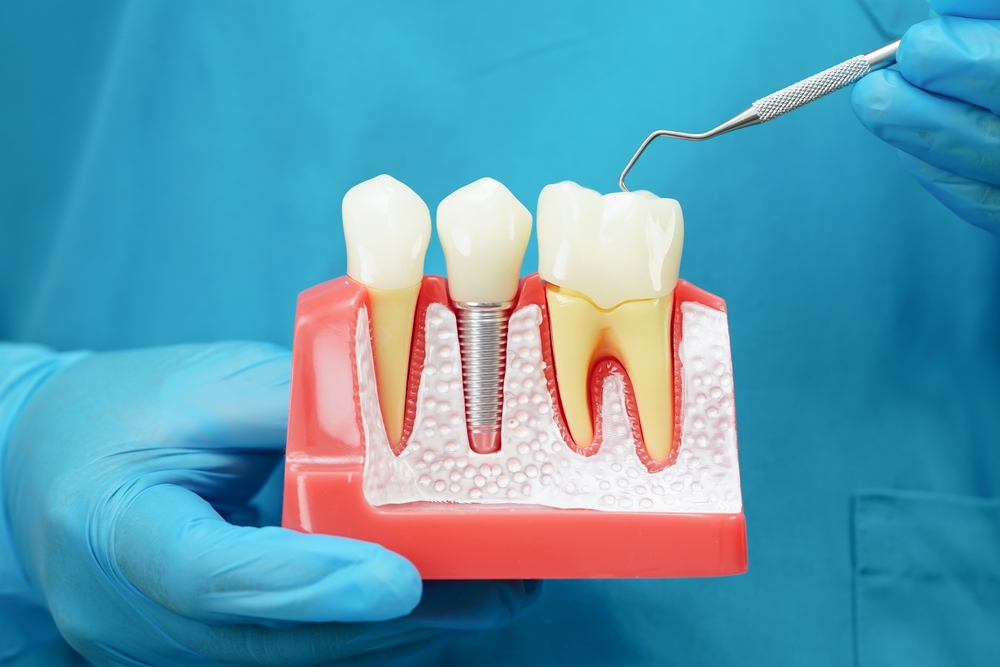
What are the benefits of dental implants? Can they really help you get your smile back? Missing a tooth? Find out what you can do about it. Dental implants are a reliable alternative because they resemble real teeth and function like real teeth, too. Rest assured, they will help you chew, smile, and even talk with confidence once more.
Before choosing implants, it helps to understand the different kinds available and how they work. These options can guide you toward the right choice when you visit a Dental Clinic in Millwoods for treatment.
What Are the Main Types of Dental Implants?
There are several types of dental implants that dentists use depending on your bone strength, smile goals, and the number of missing teeth. Each type offers its own benefits and is chosen based on your mouth’s needs.
1. Endosteal Implants (Most Common Type)
Endosteal implants are placed directly into the jawbone. The most widely used type of fastening is the one that resembles a screw, with the natural feel and strength of all-ceramic dental crowns. Most people get them for dental implants in Millwoods due to their being designed to replace a single tooth or multiple teeth.
Best for:
- People with a healthy jawbone
- Those wanting long-term results
- Patients replacing one or several teeth.
2. Subperiosteal Implants (Placed Above the Bone)
These implants rest on top of the jawbone but under the gums. They are used when the jawbone is not strong enough to hold screw-type implants.
Best for:
- People with a shallow or weak jawbone
- Patients who don’t want bone grafting
3. All-on-4 or Full-Arch Implants
This method replaces an entire set of upper or lower teeth using only four implants. It is a popular option for people who want a full smile makeover without getting separate implants for each missing tooth.
Why people choose it:
- Fewer implants needed
- Faster treatment
- Strong and natural-looking results
Are Implants Safe and Permanent?
Many people ask, Are implants safe and permanent? The simple answer is yes—dental implants are known for being safe, stable, and long-lasting when done by an experienced dentist. They are made from titanium, a metal that the body accepts easily. This allows the implant to join with the jawbone, creating a strong base for the new tooth.
Here’s why they are considered safe:
- Titanium is biocompatible
- High success rate (over 95% in many cases)
- Long history of safe use in dentistry
With good brushing, flossing, and dental checkups, implants can last many years or even a lifetime.
Do You Need to See a Dentist for Implants?
Yes. To get dental implants, you should visit a dentist near you for a full checkup. Your dentist will look at your jawbone, gums, and overall oral health to decide which implant type fits you best.
Your dentist may recommend:
- X-rays to check bone levels
- Cleaning before implant placement
- A step-by-step treatment plan
Quick Summary: Types of Dental Implants
| Implant Type | Where It Goes | Best For |
| Endosteal | Inside jawbone | Most people have strong bones |
| Subperiosteal | On top ofthe jawbone | Weak bone, no grafting |
| All-on-4 | Full arch | Many missing teeth, full replacement |
Start Your Dental Implant Journey Today!
If you are considering implants and want a long-lasting, natural-looking smile, coming to Dental Elements may help you choose the best option for you. We’ll walk you through all the steps so you feel confident in the treatment chosen together. Take your first step now by booking an appointment today for your best option in tooth replacement.
FAQs
- Do dental implants look natural?
Yes. Implants are made to match your tooth colour and shape, so they blend in well with your smile.
- Will the implant surgery hurt?
Most people feel little discomfort because the area is numbed. Some mild soreness after the procedure is normal.
- How long does the implant process take?
It can take a few months because the implant needs time to join with the bone.
- Can kids get dental implants?
Implants are usually for adults because children’s jaws are still growing.