
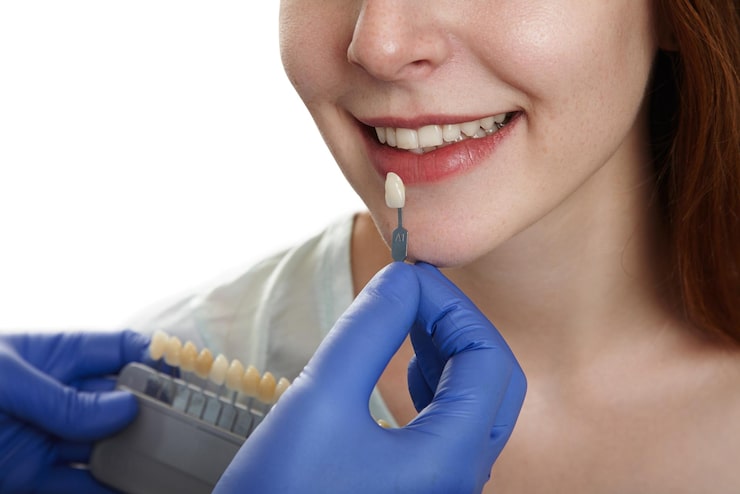
Enamel serves as the hard, protective outer layer of every tooth, but it cannot grow back once it wears away. When someone visits a dentist near you, the goal is often to find a way to shield the sensitive inner parts of the tooth that become exposed. Dental veneers offer a thin yet incredibly strong solution for covering up these imperfections. These custom shells bond to the front of teeth to recreate a healthy, white appearance while providing a new layer of protection.
What Are The Main Causes Of Enamel Damage?
Several factors contribute to the thinning of this protective shield over time.
- Frequent consumption of acidic drinks like soda or lemon water dissolves the minerals in the teeth.
- Brushing too hard with a stiff toothbrush can physically scrub away the enamel layer.
- Grinding teeth during sleep puts massive pressure on the surfaces, causing them to chip or flatten.
- Stomach acid from health conditions can enter the mouth and soften the tooth structure.
- Dry mouth reduces saliva, which normally helps neutralize the acids that eat away at teeth.
What Are Common Enamel Erosion Treatment Options?
When a person notices their teeth looking yellow or feeling sharp pain when drinking cold water, they need a way to seal the tooth. Professionals offer different ways to manage the loss of enamel depending on how much of the tooth remains.
- Fluoride Treatments: High-strength gels help harden the remaining enamel to prevent further loss.
- Dental Bonding: A tooth-colored resin is painted onto the surface to fill in small cracks or thin spots.
- Dental Crowns: A full cap is placed over the tooth if the damage is very serious and the tooth is weak.
- Dental Veneers: These are ideal for front teeth, where the goal is to improve both strength and beauty at the same time.
How Do Veneers Transform Your Smile?
Seeking dental veneers allows individuals to receive a permanent fix that looks completely natural. Veneers are typically made of porcelain, a material that reflects light just like real enamel. Because these shells are custom-made, they can be shaped to hide chips, close small gaps, and make every tooth in the “smile zone” look perfectly aligned.
How Does The Veneer Process Work?
Getting a new surface for a tooth involves a few careful steps to ensure the result stays in place for a long time.
- Preparation: A very tiny amount of the damaged enamel is removed to create space for the veneer so it does not feel bulky.
- Impressions: A mould or digital scan is taken of the prepared teeth to send to a specialized lab.
- Temporary Layer: Sometimes a temporary cover is worn while the custom porcelain pieces are being crafted.
- Bonding: The professional uses a special light-activated glue to attach the veneer permanently to the tooth.
- Final Polish: The edges are smoothed out to make sure the bite feels comfortable, and the surface feels like a real tooth.
Can Veneers Prevent Further Tooth Sensitivity?
One of the biggest struggles with enamel loss is the “zing” felt when eating ice cream or hot soup. Since enamel acts as insulation, its absence leaves the nerves unprotected. Placing a veneer over the damaged area creates a new barrier that blocks these temperature changes from reaching the nerves. Most people find that their daily discomfort disappears once the tooth is fully covered.
How To Keep Veneers In Great Shape?
Even though porcelain does not decay, the tooth underneath and the gums around the edges still require attention. People who choose dental veneers in Millwoods often keep them looking beautiful by following a few simple habits.
- Use a non-abrasive toothpaste to avoid scratching the polished surface of the veneers.
- Wear a mouthguard during sports or if grinding happens at night to prevent the porcelain from cracking.
- Avoid biting down on hard objects like ice cubes, popcorn kernels, or fingernails.
- Maintain regular cleaning visits to ensure the bond between the tooth and the veneer stays tight.
Is This Treatment Right For Everyone?
Veneers work beautifully for those who still have a healthy amount of tooth structure left. If a tooth is almost entirely gone or has a massive cavity, a crown might be a better choice. A consultation helps determine if the remaining enamel is strong enough to support the porcelain shell. When the fit is correct, a person can enjoy a bright, sturdy smile that lasts for many years without staining.
Create Your Strongest Smile Today
Repairing damaged enamel is the best way to ensure your teeth stay healthy as you age. Our team focuses on providing durable and lifelike results that help you feel proud of your smile again.
Book your appointment at Dental Elements to learn how we can protect your teeth and restore your confidence with a personalized treatment plan!
Frequently Asked Questions
How long does a porcelain veneer typically stay on a tooth?
Most porcelain covers remain in excellent condition for ten to fifteen years when the person follows a good cleaning routine.
Does getting veneers require a lot of drilling?
Only a very thin layer of the surface is removed to make sure the veneer sits flush with the rest of the smile.
Will my teeth look too white or fake after the treatment?
The porcelain is carefully colored to match your other teeth so that the repair looks like a natural part of your mouth.
Can I still eat my favourite foods with veneers?
Once the permanent shells are bonded, a person can eat almost anything, though they should avoid biting into very hard items with their front teeth.