
If a tooth is cracked due to decay or trauma, the type of dental restoration comes into play. Fillings and crowns are most known, but there is something in between with many advantages. Inlays and onlays are the answer when a filling is too small but a full crown is too much. They give strength, support, and a natural appearance without taking away too much of your good teeth.
In this blog post, we discuss how inlays and onlays function, when they are indicated, and why they may be the superior option most of the time.
Why Inlays and Onlays Are Important in Dental Treatment
Inlays and onlays are placed to repair teeth that have been moderately damaged. They are employed to reinforce the tooth and avoid additional issues. When you go to a dentist in Mill Woods with a tooth that is too destroyed to get a standard filling but is not sufficiently damaged to require a crown, your dentist might recommend an inlay or an onlay as a durable and long-term option.
What Are Inlays and Onlays
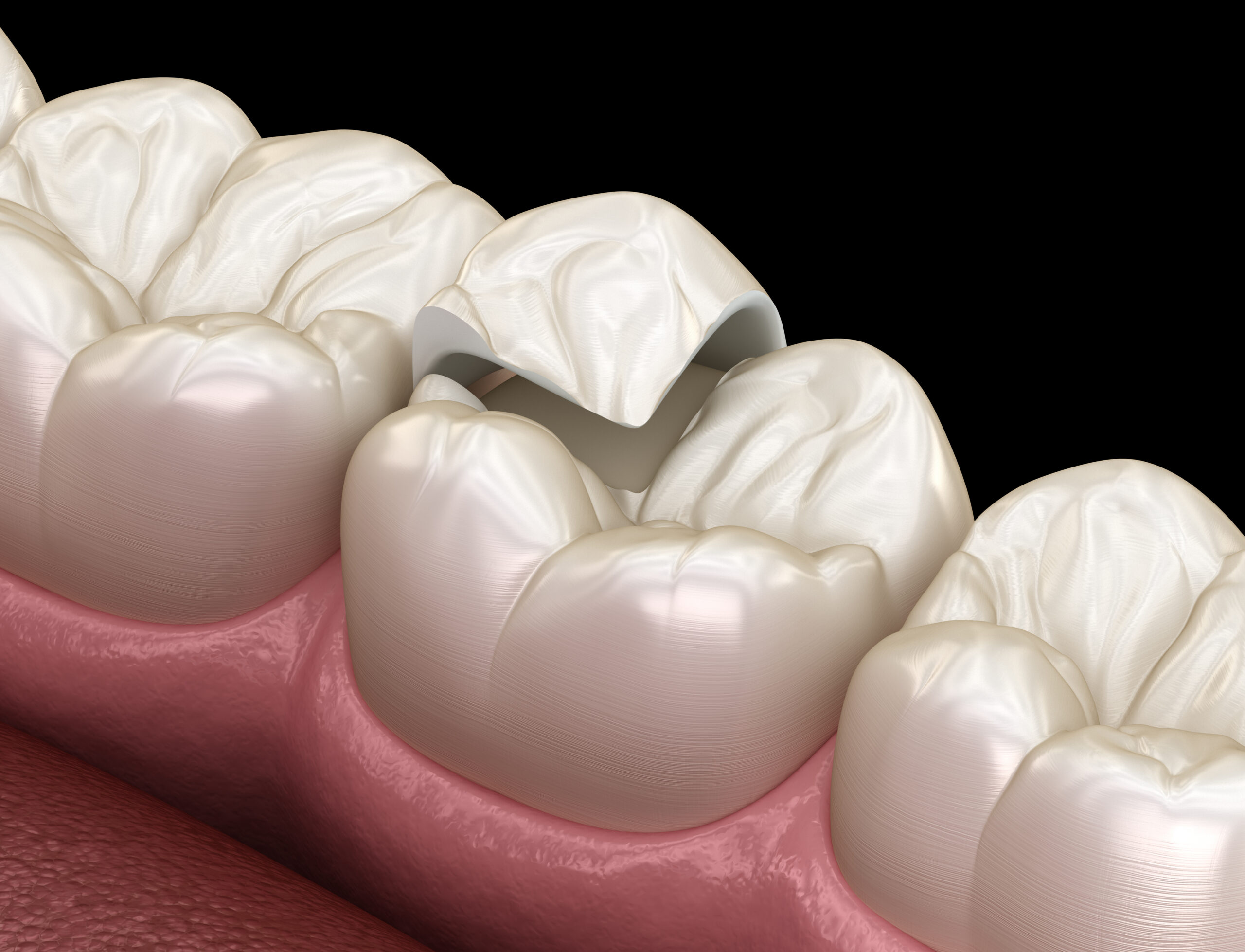
Inlays and onlays are specially crafted pieces that are cemented onto the tooth. An inlay is placed inside the tooth grooves and does not extend over the edges. An onlay extends further to cover additional area and may extend over one or more edges or cusps of the tooth. They are usually crafted from materials such as porcelain, composite resin, or gold.
If you want inlays in Millwoods, the dentist will first extract the portion of the tooth that is damaged. They will then take an impression to create a precise fit. The custom component is then fixed and cemented into place using a hard dental cement.
Comparing Inlays, Onlays, and Crowns
Let’s look at inlays vs. onlays vs. crowns explained in simple terms:
- Inlays are used for smaller repairs within the chewing surface of the tooth
- Onlays are used when the damage covers more area and includes the edges
- Crowns are used when the whole tooth is weakened and needs complete coverage
Your dentist will help you decide which treatment is best based on how much of your tooth is damaged and how much can be saved.
Service Availability
If you are looking for an inlay onlay dental procedure in Millwoods, make sure to visit a clinic that has experience with this type of restoration. These treatments require precision and skill to ensure a comfortable and lasting result.
Why Inlays and Onlays Might Be Right for You
There are many benefits of inlay onlay restoration, such as
- They help preserve more of your natural tooth structure
- The fit is more accurate compared to traditional fillings
- They are made from strong materials that last for many years
- They look natural and match the colour of your other teeth
- The procedure is less invasive than getting a full crown
If you are unsure which restoration is right for you, a dentist near you can provide a full checkup and recommend the best treatment based on your needs.
When to Choose Onlays Instead of Crowns
Many patients want to avoid crowns if possible. So knowing when to choose onlays instead of crowns can be helpful. Onlays are the right choice when:
- The damage is too large for a filling but not severe enough for a crown
- You want to keep more of your natural tooth
- The chewing surface or one side of your tooth is worn or cracked
- You are looking for a long-lasting and affordable option
Best Materials for Dental Inlays
When it comes to choosing the best material for dental inlays in Edmonton, your dentist will usually offer three options:
- Porcelain: natural-looking and strong
- Composite resin: tooth-coloured and good for small areas
- Gold: extremely durable but less common for visible teeth
Each material has its pros and cons. Porcelain is often the most popular due to its durability and appearance. Your dentist can help you decide which option works best for your tooth and your budget.
What to Expect During the Procedure
The process for inlays and onlays usually involves two dental visits. During the first visit, the dentist removes any decay or damage and takes a mold of your tooth. This is sent to a lab where your inlay or onlay is made. At the second visit, the piece is checked for fit and bonded to your tooth.
This process is comfortable and straightforward. You may be given a temporary piece between visits to protect the tooth.
How to Care for Your Inlays and Onlays
Once your inlay or onlay is in place, caring for it is simple. Just follow regular dental habits like:
- Brushing twice a day
- Flossing daily
- Avoiding hard or sticky foods that could damage the piece
- Visiting your dentist regularly for checkups
With good care, inlays and onlays can last for ten years or more.
Book an Appointment with Dental Elements
If you are facing a dental issue and want to avoid large fillings or full crowns, inlays and onlays might be the perfect solution. At Dental Elements, our skilled team provides comfortable and precise restorative treatments, including inlays and onlays.
To get started, book an appointment today and let us help you restore your smile with care and confidence.