
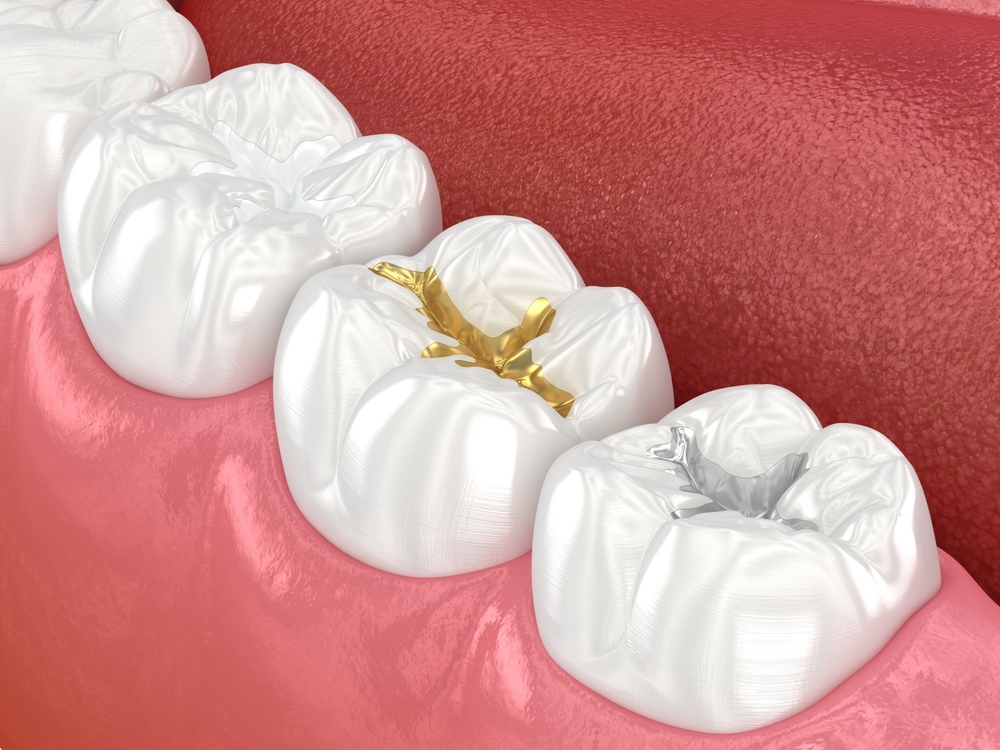
Do dental problems happen suddenly, or do they build up over time? Teeth can be damaged by an accident or slowly worn down by decay and daily use. Common problems include cavities, cracked teeth, and missing teeth. Find out the best restorative options after a cavity, including fillings, crowns, bridges, and other solutions to prevent minor problems from worsening.
If you visit a dentist in Millwoods that you trust early on, your treatment will be easier. Often, more straightforward, less expensive, and more effective procedures can occur when care is delivered early. Acting promptly will protect your natural teeth and give you a healthy smile.
What Are Dental Fillings and When Are They Used?
Fillings repair teeth affected by early decay or injury. The dentist removes the decayed part and fills the space to restore strength and shape. This option is most effective when the tooth is mostly healthy and the damage is minimal.
The best restorative options after a cavity often begin with a dental filling in Millwoods, which stops decay from spreading and helps the tooth function normally again. Acting early can prevent the need for crowns or extractions later.
When Does a Crown Become the Better Choice?
Crowns cover and protect cracked, weak, or badly worn teeth. They are shaped like natural teeth and placed over the damaged one to restore strength and appearance.
Many people wonder when to get a dental crown in Millwoods, and the answer depends on how much of the tooth is damaged. If a filling cannot hold the tooth together, a crown provides stronger, longer-lasting support.
Why Bridges Are Used to Replace Missing Teeth
A dental bridge is an artificial tooth replacement that fills the gap created by a missing tooth. This allows you to eat normally and prevents other teeth from moving.
Understanding how a dental bridge works for missing teeth helps patients see why bridges are essential for bite balance, speech, and facial shape. Leaving gaps untreated can lead to jaw strain and uneven wear.
How to Choose the Right Option With Professional Help
The area where the tooth will be damaged, the tooth’s location, and your long-term oral health goals all determine the treatment you receive. Consulting a dentist near you provides a thorough check-up and an easy, affordable way to get a recommendation.
Before determining whether you need a filling, a crown, or a bridge, dentists consider the depth of decay, bone support, and the amount of pressure. This systematic approach prevents over-treatment and future disasters.
Filling vs Crown vs Bridge: Key Differences at a Glance
| Treatment | Best For | Strength Level | Tooth Coverage |
| Filling | Small cavities | Low to medium | Partial |
| Crown | Weak or cracked teeth | High | Full tooth |
| Bridge | Missing teeth | High | Covers gap |
This comparison of fillings, crowns, and bridges in Edmonton helps patients understand which option best fits their situation.
What Happens During the Restoration Process?
- Dental Examination and Planning: The first step in the crown bridge restoration process is a dental exam. The dentist examines the damaged tooth and may take X-rays to identify hidden issues. This helps decide whether a filling, crown, or bridge is the proper treatment.
- Preparing the Tooth: When a cavity is discovered, a dentist carefully removes the decayed portion and fills it with a filling material. To ensure the crown or bridge fits correctly in your mouth and feels natural when you bite, the tooth is prepared.
- Creating a Custom Fit: To get crowns or bridges, an impression of your tooth is taken. Our team uses impressions to ensure your custom-made restoration matches your bite and natural tooth shape. While the final one is being prepared, the tooth will be temporarily protected.
- Placing the Restoration: A custom-made crown or bridge is fabricated and then cemented into place on the tooth. Before finalizing your new crown, the dentist assesses the fit and comfort. Fillings are usually completed in a single visit.
- Final Adjustments and Care Guidance: Following placement, minor adjustments may be made to enhance the restoration’s natural feel. After treatment, the dental expert advises how to keep the treated area healthy, strong, and functional for many more years.
Restoring Your Smile With Confidence!
Wanting to bring back your smile while also keeping your teeth safe? The restorative care offered at our practice, Dental Elements, aims to enhance comfort and appearance while preserving the tooth structure. It doesn’t matter if it is a filling, a crown, or a bridge. What counts is long-term strength. If you are unsure which treatment is most suitable for you, an appointment now can help clarify your dental needs.
FAQs
Is it possible for a filling to later become a crown?
Certainly! If the decay is not extensive, a filling may be sufficient, but if, over time, the tooth weakens or the decay spreads, a crown may be advisable. A crown protects a tooth from further decay or cracking, for example.
Do crowns and bridges look natural?
Yes. Modern crowns and bridges are made to closely match the colour, shape, and size of natural teeth. When placed correctly, they blend well with your smile and feel comfortable during everyday activities like eating and speaking.
Can bridges be removed?
Absolutely not. Dental bridges cannot be removed at home, as they are fixed. They help crowns remain stable and fit adjacent teeth or implants.
How Long Do Restorations Last?
Different types of restoration and maintenance affect an object’s lifetime. Most bridges and crowns last at least 10 years, and fillings last for a few years. To maintain strong, healthy teeth throughout your life, brush properly and eat wisely, as a dentist recommends.