
If the thought of a root canal makes your heart skip a beat, you’re not alone. Many people imagine long, painful procedures and being sick for a long time afterward, often because of what they’ve heard online or from friends.
But let’s get to the truth: modern dentistry has come a long way. Root canals are designed to relieve pain, not create it, and they rarely cause illness when done correctly.
With deep decay or infection, dental treatments like tooth fillings in Millwoods can prevent further damage and may even help avoid the need for more invasive procedures later.
Understanding what happens during a root canal can help you feel more confident about your dental choices.
What Happens During a Root Canal?
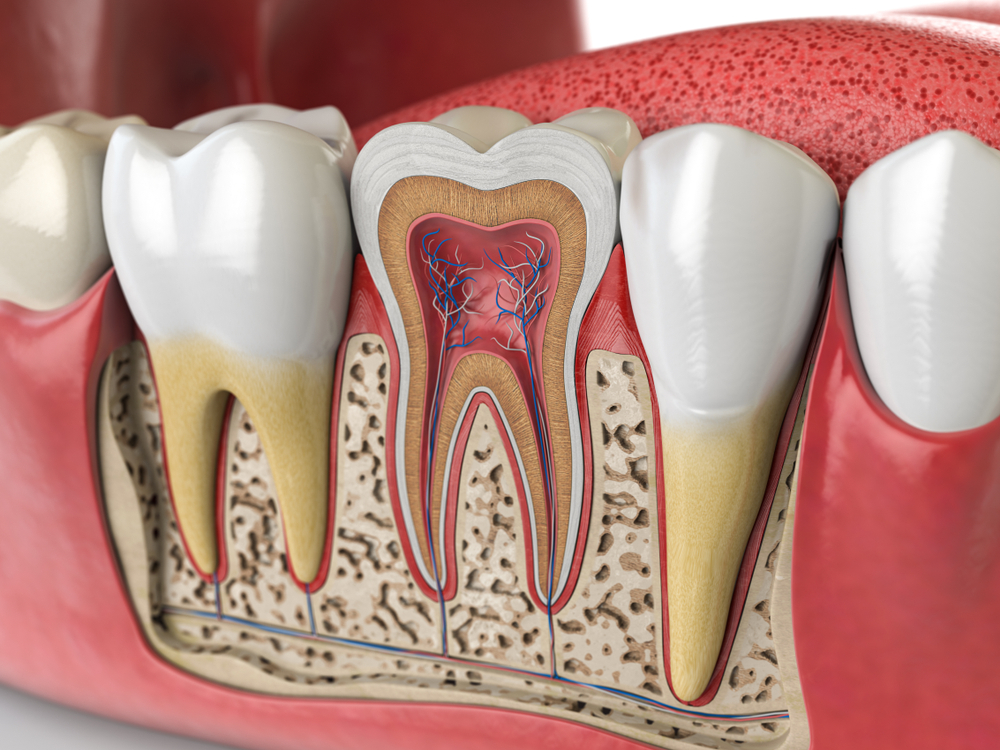
Root canal therapy helps to remove the infected pulp from the inside part of the tooth, which helps the dentist clean and seal it before it gets infected.
Patients have a myth that root canal therapy is not painless, but in reality it is a painless solution, as it uses anesthesia.
Most patients say the discomfort before the treatment, caused by the infection, is far worse than anything during the procedure itself.
A dentist near you can explain exactly what to expect, helping you feel calm and informed before starting treatment.
Common Myths About Root Canals
Let’s tackle a few myths:
“Root canals make you sick.”
False. Modern root canal therapy eliminates infection. Any post-treatment discomfort is temporary and usually mild.
“The procedure is extremely painful.”
Not true. With anesthesia, most patients feel only pressure and mild soreness afterward.
“You’ll need multiple procedures for one tooth.”
Sometimes a follow-up crown is needed, but many patients finish treatment in just 1–2 visits.
Restorative Options: Filling, Crown, or Bridge?
After treating the tooth, you should choose the right restoration treatment. Below is a detailed comparison of some of the best options:
| Option | Purpose | Longevity | When to Choose |
| Filling | Repairs small cavities | 5–10 years | Minor decay, healthy surrounding tooth |
| Crown | Covers & protects weak/damaged tooth | 10–15+ years | When to get a dental crown Millwoods: cracked, worn, or large cavities |
| Bridge | Replaces one or more missing teeth | 10–15 years | How dental bridge works for missing teeth: anchored to surrounding teeth, fills gap |
Understanding these options helps you choose the best restorative options after a cavity and ensures your smile remains functional and healthy.
The Crown & Bridge Restoration Process
If a dentist suggests you get a crown or a bridge, below is the process that needs to be run through:
- Consultation: Assessment of the tooth/teeth, X-rays, and impressions.
- Preparation: Tooth reshaping for crown placement or bridge fitting.
- Temporary Restoration: A temporary crown or bridge is put to protect the tooth until the permanent one is designed.
- Permanent Placement: After the temporary restorations, a dentist cements the crown or bridge to restore the function and appearance.
- Follow-Up: Check for comfort, bite alignment, and oral hygiene.
Most patients are amazed at how natural and comfortable modern crowns and bridges feel, far from the old, intimidating procedures people fear.
How to Make the Crown Bridge Restoration Process Easy
- Maintain regular dental visits.
- Your dentist in Millwoods can catch problems early.
- You should brush and floss around the teeth for temporary restorations.
- Consult a dentist about numbing options if you feel anxious.
- Follow the aftercare tips to minimize discomfort.
Don’t Wait Until Pain Becomes Serious
Root canal therapy and restoration treatments are nothing to be worried about, they can help save teeth, protect your oral health and help you achieve a white smile.
If you have a pain that persists for long time, or a sensitivity or if you identify a dental problem later, it is better to act now than later.
At Dental Elements, our team helps you feel comfortable with root canal therapy, as we offer everything from fillings to crowns and bridges to help patients understand their options and choose the solution that’s right for them. Book an appointment today to restore your smile with expert care.
🦷 Locate Our Clinic Easily Here