
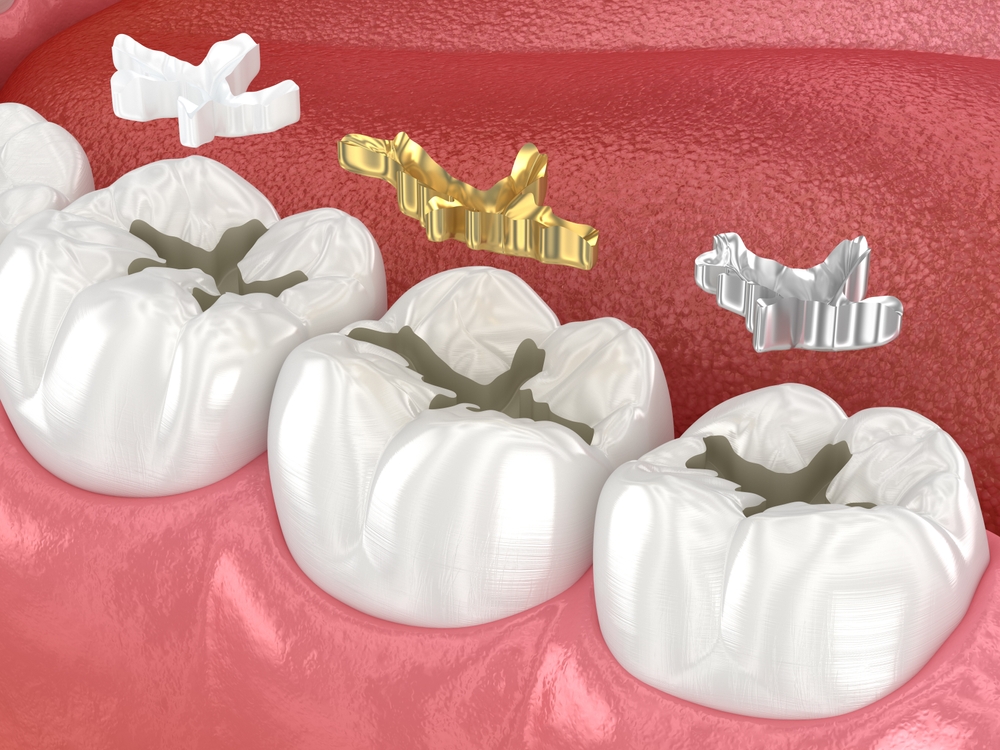
Dental fillings are a common solution for cavities, but many patients wonder which type is best for them.
Dental fillings in Millwoods come in two main options: composite (tooth-colored) and silver (amalgam). Understanding the differences can help you make an informed choice for your oral health.
What are Composite Fillings?
Composite fillings are made from a mix of resin and glass or a certain kind of ceramic particles.
They are tooth-colored, which makes them blend well with your smile.
- Pros:
- Matches tooth color for aesthetic appeal
- Bonds directly to the tooth for extra support
- Minimal removal of healthy tooth structure
- Cons:
- Slightly less durable than silver fillings for large cavities
- Can stain over time if you consume coffee and tea or smoke too much.
What are Silver Fillings?
Silver fillings, also known as amalgam fillings, are made from a mixture of metals including silver, mercury, tin, and copper. They have been used for over a century and are known for their strength.
- Pros:
- Extremely durable and long-lasting
- Ideal for back teeth that endure heavy chewing
- Less expensive than composite fillings
- Cons:
- Noticeable silver color, not ideal for visible teeth
- Requires more tooth removal for placement
- Contains mercury, though in safe, regulated amounts
What is the Difference Between Composite and Silver Fillings
The difference between Composite vs. Silver Fillings primarily come down to aesthetics, durability, and cost.
| Feature | Composite Fillings | Silver Fillings |
| Appearance | Tooth-colored, blends naturally | Silver-colored, visible |
| Durability | Lasts 5–10 years | Lasts 10–15 years or more |
| Tooth Preservation | Conserves more tooth structure | Requires more removal |
| Cost | Slightly higher | More affordable |
| Placement Time | Takes longer | Usually quicker |
Composites are perfect for visible teeth, while silver excels in strength for molars.
How is the Placement Process for Fillings?
Regardless of the type, the filling procedure is straightforward:
- Examination and X-rays by your dentist in Millwoods
- Removal of decayed tooth material
- Cleaning and preparation of the cavity
- Placement of the filling material
- Shaping and polishing to ensure proper bite alignment
Modern dental techniques make both options safe and effective when you want to treat your cavities.
How Can You Maintain Your Fillings for Longer?
Proper care will help you extend the life of your fillings:
- You should brush twice a day and floss daily
- Avoid chewing on hard foods
- Schedule regular check-ups at a dental clinic near you
- Address any sensitivity or discomfort early
By following these steps, both composite and silver fillings can last longer for years.
Making the Right Choice
Choosing an option from composite and silver fillings depends on your choices. If you need aesthetics and want to preserve the tooth structure, composite fillings should be your go-to choice.
In the opposite case, if you are looking for an option that is long-lasting and cost-effective for chewing teeth, then silver fillings should be your best choice.
For any professional care, visit Dental Elements, our team has got your needs covered and can help you select the best fillings that help you maintain your smile for years to come.
Visit us or call us, or schedule your appointment with our professional team to get your fillings done in the right way.
FAQs
How long do composite fillings last?
Typically, 5–10 years, depending on oral hygiene and eating habits.
Are silver fillings safe?
Yes, they are regulated and safe, though some people prefer mercury-free alternatives.
Can composite fillings stain?
Yes, composite material can stain over time from coffee, tea, or smoking.
Which filling is better for back teeth?
Silver fillings are usually preferred for molars due to their strength and durability.
Do fillings hurt?
No, local anesthesia ensures the procedure is virtually painless.