
Modern dentistry provides multiple options when it comes to fixing teeth that are damaged or missing, each with a specific purpose. The most known solutions are fillings, crowns, or bridges, and it is not immediately clear which option is best for you without the context of your teeth and their conditions.
The guide will delineate the three options, when you should choose each, and how they will restore your oral health so you can achieve a healthy smile. If you’re not sure which option meets your needs, a dentist in Millwoods can help you decide based on your case.
What Are Dental Fillings and When Do You Need Them?
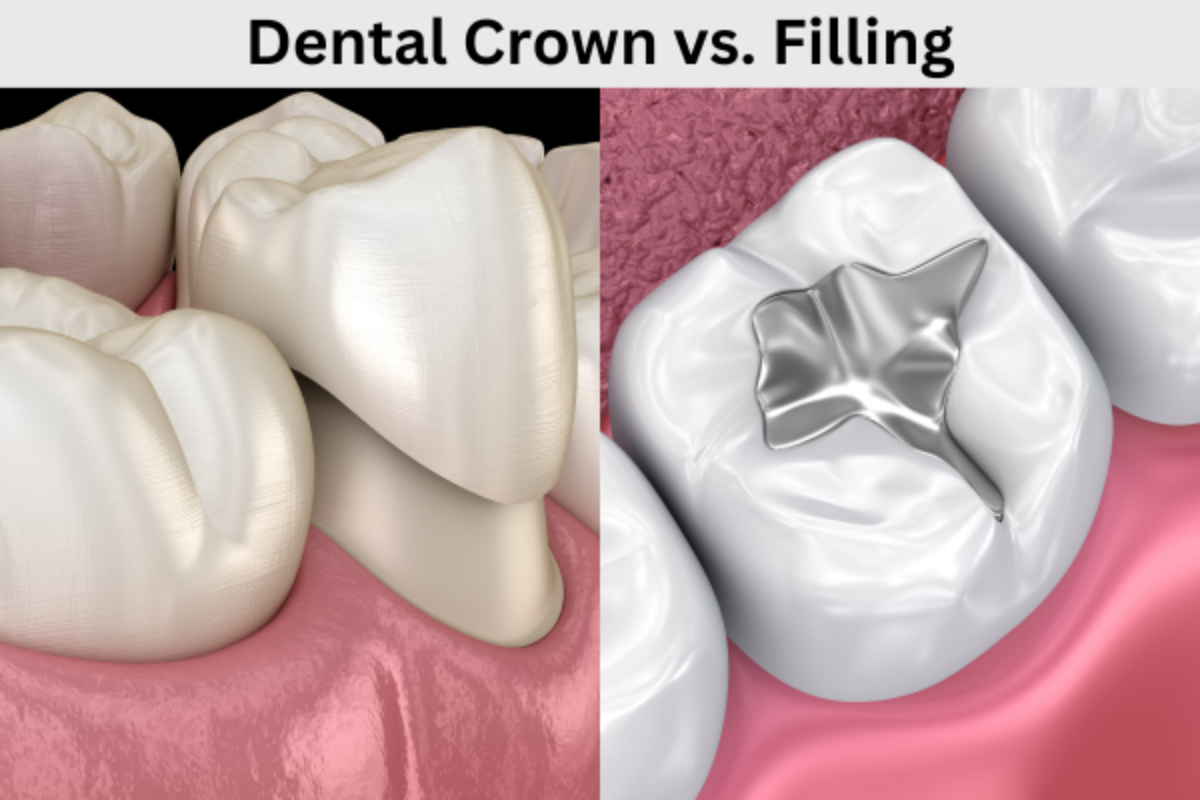
Fillings are among the most common and simple types of restorative treatments. Dentists use fillings to repair small cavities or minor tooth damage. Fillings work by removing the decayed part of the tooth and replacing it with materials made of composite resin, amalgam, or ceramic.
Some signs you should see dental fillings in Millwoods include:
- Sensitivity to hot or cold food
- Sharp pain when biting down
- Holes or dark spots on teeth
Fillings are quick, inexpensive, and minimally invasive, which is ideal for working on decay in the early stages.
When Should You Choose a Dental Crown?
A crown is a tooth-shaped cap that covers a damaged or weakened tooth completely. It restores strength, function, and appearance, especially when a tooth is too weak for a filling alone.
Knowing when to get a dental crown in Millwoods patients often ask, comes down to the severity of the damage. A dentist may recommend a crown when:
- The tooth had a large cavity.
- A root canal has been completed previously.
- The tooth is cracked or worn.
- You want to change the shape or color of the tooth.
Crowns can be made from porcelain, metal, or ceramic and will last an average of 10-15 years depending on their care.
How Does a Dental Bridge Replace Missing Teeth?
Missing one or more teeth? You may be a good candidate for a dental bridge. In a dental bridge, the dental crowns are placed on adjacent teeth called abutments, which will support the pontic, or replacement tooth.
Here’s how a dental bridge works for missing teeth:
- The two teeth adjacent to the gap are prepared for a crown.
- The bridge is manufactured to your bite with a pontic.
- There is no removal of the bridge; it is cemented, and it looks natural.
A bridge restores chewing function, assists with speech, and keeps the remaining teeth in the right position in your mouth.
What’s the Difference Between a Filling, Crown, and Bridge?
Choosing the right option depends on the tooth’s condition. Here’s a helpful filling vs crown vs bridge comparison in Edmonton patients can use to understand the differences:
| Treatment | Purpose | Best For | Involves Removal of Tooth? |
| Filling | Fills small cavities | Minor decay or chips | Minimal |
| Crown | Covers entire tooth | Large decay, cracks, or after root canal | Moderate |
| Bridge | Replaces missing teeth | One or more missing teeth | Moderate (for support teeth) |
When Should You See a Dentist About These Options?
If you’re feeling pain, can visibly see tooth damage, or are having pain when chewing, then it is time to schedule an appointment with a dentist near you. Waiting will likely lead to more complicated (and costly) dental diseases and problems. Routine dental appointments allow you to catch dental diseases early when fillings or crowns are still an option.
You should also see a dentist if:
- You’ve had a filling or crown for over 10 years.
- A tooth feels loose, cracked, or sensitive.
- You are missing a tooth that impacts your bite.
What Is the Process for Crown and Bridge Restoration?
The crown bridge restoration process involves several steps and typically requires two visits.
Here’s a simplified overview:
- Consultation & Exam; Dentist assesses your tooth and takes X-rays
- Tooth Preparation: Damaged tooth (or support teeth) is reshaped
- Impression: A mould is taken to create a custom crown or bridge
- Temporary Fitting: A temporary crown or bridge protects the area.
- Final Placement: The permanent crown or bridge is cemented in place.
After the procedure, your bite feels stronger and your smile looks more complete.
What’s the Best Restorative Option After a Cavity?
The best restorative options after a cavity depend on how deep the decay is.
- Small cavity? A simple filling may be enough.
- If the tooth is broken or has severe decay? A crown offers better protection for your tooth!
- If you are missing a tooth due to decay? A bridge is the perfect solution for you.
Each procedure is designed to restore your tooth’s function and aesthetics and to prevent future issues!
Your Smile Deserves Strong, Lasting Care – Visit Today!
If a filling, crown, or bridge is needed, it can matter a lot to the saving of your smile. At Dental Elements, we’re here to eliminate some of that decision-making with quality and personalized care suitable to your dental goals. Our experienced dentist will surely assist in restoring comfort and confidence. Don’t wait! Book an appointment today to get started on a stronger, healthier smile!
FAQs
Can I replace metal fillings with tooth-coloured ones?
Yes, old silver fillings can be replaced with composite resin for a more natural look and feel.
How long should a bridge last?
Using good oral care, a dental bridge can last up to 10-15 years or longer.
What if I grind my teeth? Can I still have a crown or bridge?
Yes, you can still have a crown or bridge, but your dentist may suggest a night guard to preserve your restoration from harm.