
Botox Treatment
Jaw tension, clenching, grinding, and certain facial muscle concerns can affect comfort and daily function. Botox® treatment may be recommended in some cases to help relax specific muscles and reduce unwanted muscle activity.
At Dental Elements, we assess your symptoms, health history, and treatment goals before recommending Botox®. This helps us determine whether treatment may be appropriate for your needs.
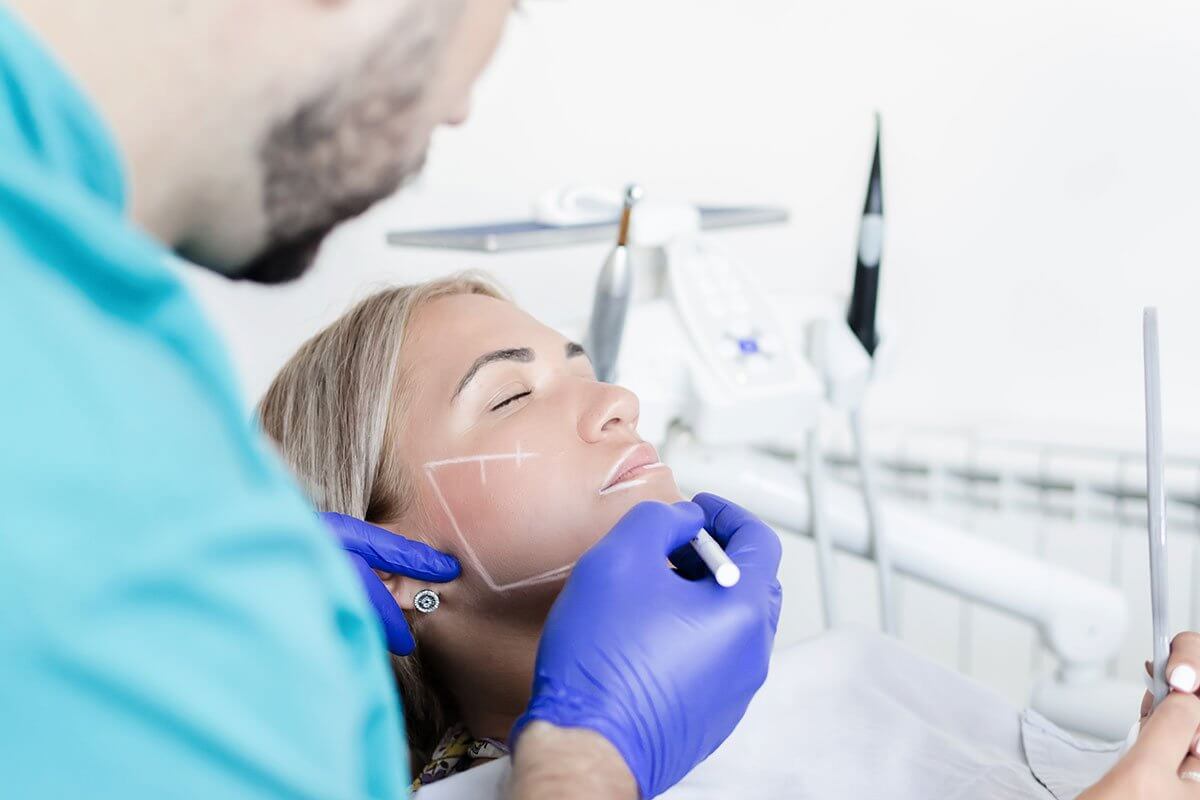
What Is Botox Treatment?
Botox® is a neuromodulator that temporarily relaxes targeted muscles. In dentistry, it may be used for certain therapeutic concerns related to jaw muscles, clenching, grinding, or facial muscle tension.
Botox® does not treat every jaw concern, and it may not be the first option recommended. A dental assessment is needed to understand the cause of your symptoms and whether Botox® may be part of your treatment plan.
When Do You Need Botox Treatment?
Botox® treatment may be considered when muscle activity contributes to discomfort or functional concerns.
It may be discussed for:
- Jaw Clenching: Botox® may help relax overactive jaw muscles in selected cases.
- Teeth Grinding: Treatment may help reduce muscle force related to grinding.
- Jaw Tension: Botox® may help reduce tightness in specific facial muscles.
- TMJ-Related Symptoms: Treatment may be considered when muscle tension contributes to jaw discomfort.
- High Lip Line: Botox® may be used in some cases to adjust upper lip movement.
- Facial Muscle Concerns: Botox® may help soften certain expression lines caused by repeated muscle movement.
Not every patient is a candidate for Botox®. Your medical history, medications, symptoms, and treatment goals should be reviewed before treatment is recommended.

What Happens During Botox Treatment?
Botox® treatment is usually completed during a short visit. During your appointment, we take the following steps:
- Reviewing Your Health History: We ask about medical conditions, medications, allergies, and previous Botox® treatment.
- Assessing Your Concerns: We examine the muscles involved and discuss your symptoms or goals.
- Planning the Treatment: We explain the areas being treated, the expected effect, and possible side effects.
- Preparing the Area: We clean the treatment area before the injections.
- Placing the Injections: We inject small amounts of Botox® into the targeted muscles.
- Reviewing Aftercare: We explain what to avoid after treatment, such as rubbing the treated area.
- Monitoring Results: We may recommend a follow-up visit to assess your response.
Results are not immediate. Some patients may notice changes within several days, with the full effect developing over time. The results are temporary and vary from person to person.

What Can You Expect After Botox Treatment?
Most patients can return to regular activities after Botox® treatment. Mild tenderness, redness, swelling, or bruising may occur at the injection sites.
After treatment, you may be asked to avoid rubbing or massaging the treated area for several hours. This helps reduce the chance of the product moving away from the intended area.
The length of results varies. Many patients notice that the effects gradually wear off after a few months, and repeat treatment may be discussed if appropriate.
Discuss Botox Treatment with Our Team
Botox® treatment may help with certain muscle-related concerns, but it should only be recommended after a proper assessment. The right approach depends on your symptoms, oral health, medical history, and treatment goals.
At Dental Elements, we provide clear information before treatment so you understand what Botox® may and may not do. Our team can assess your concerns, explain your options, and help you decide whether treatment is suitable.
Call or visit us today to schedule a consultation.
FAQ's
What does Botox® have to do with dentistry?
Botox® may be used in dentistry for certain concerns related to jaw muscles, clenching, grinding, facial muscle tension, or lip movement. A dental assessment is needed to decide whether it is appropriate.
Can you get Botox® if you have dentures?
Some patients with dentures may still be candidates for Botox®, depending on their health history, symptoms, and treatment goals. A consultation is needed before treatment can be recommended.
Is it better to go to a dentist for Botox®?
A dentist with the appropriate training may provide Botox® for approved dental or facial concerns within their scope of practice. The right provider depends on the reason for treatment and the patient’s needs.
How long does Botox® treatment last?
The effects are temporary and vary from person to person. Many patients notice that results gradually wear off after a few months.
Can Botox® help with teeth clenching?
Botox® may help reduce muscle activity related to clenching in selected cases. It does not treat every cause of clenching, so a dental assessment is needed first.
How safe is Botox® for TMJ-related symptoms?
Botox® may be considered for some muscle-related jaw symptoms, but it is not suitable for everyone. Possible side effects and alternatives should be discussed before treatment.