
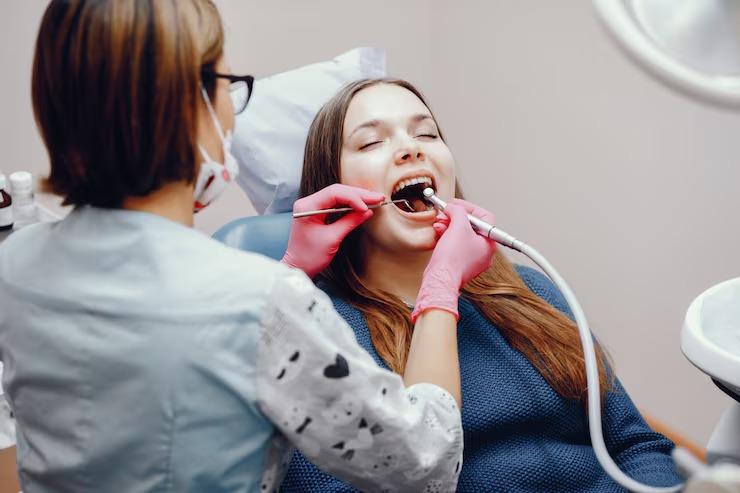
Getting a dental cleaning near you is one of the best ways to keep your mouth healthy. A professional teeth cleaning removes plaque, tartar, and bacteria that brushing at home cannot fully remove. After visiting a dentist or a dental clinic near you, proper care is important to protect your teeth and gums.
This guide explains what happens during a dental cleaning, what to avoid after the visit, and what to do afterward to keep your smile healthy.
What Happens During a Dental Cleaning?
Many patients ask this common question before their visit. Here is what usually happens during a professional teeth cleaning:
- The dentist checks your teeth and gums.
- Plaque and tartar are removed using dental tools.
- Teeth are polished to remove surface stains.
- Flossing cleans between teeth.
- Fluoride treatment may be applied to protect enamel.
Dental cleaning helps prevent cavities, gum disease, and bad breath. It also allows the dentist in Millwoods to find minor problems early.
What Should You Avoid After a Dental Cleaning?
After your appointment, your teeth and gums may feel sensitive. Avoiding certain habits helps protect your mouth.
Things to Avoid After Teeth Cleaning
- Do not eat sticky or hard foods for a few hours.
- Avoid hot or very cold drinks if your teeth feel sensitive.
- Do not smoke or use tobacco for at least 24 hours.
- Avoid dark-coloured drinks such as coffee, tea, or soda.
- Do not skip brushing even if gums feel sore.
These steps help prevent irritation and staining after a professional cleaning.
What to Do After Dental Cleaning
Taking care of your teeth after the visit helps keep results longer.
Simple Care Tips After Dental Cleaning
- Brush twice a day using a soft toothbrush.
- Use fluoride toothpaste recommended by your dentist.
- Floss once daily to remove food between teeth.
- Drink water to wash away bacteria.
- Follow the dentist’s instructions if fluoride was applied.
Good home care supports the dental clinic’s work.
Foods to Choose and Avoid After Dental Cleaning
| Food Type | Best Choices | Foods to Avoid |
| Drinks | Water, milk | Coffee, soda |
| Snacks | Yogurt, bananas | Sticky candy |
| Meals | Soft rice, eggs | Hard chips |
| Sweets | Sugar-free gum | Chocolate |
| Temperature | Room temp food | Very hot food |
Eating soft and light foods helps gums heal faster.
How Often Should I Get Dental Cleanings?
This is one of the most common dental questions.
Most dentists recommend:
- Every 6 months for healthy teeth and gums
- Every 3–4 months for gum disease patients
- More often, if plaque builds up quickly
Your dentist will suggest the best schedule based on your oral health.
Why Regular Dental Cleanings Matter
Visiting a dental clinic near you for regular cleanings helps:
- Prevent cavities
- Reduce gum inflammation
- Control plaque and tartar
- Improve breath
- Keep teeth strong
Professional dental care, along with daily brushing and flossing, keeps your mouth healthy in the long term.
Wrapping Up
Taking care of your teeth after a teeth cleaning in Millwoods helps maintain that fresh, clean feeling longer. Avoid hard, hot, and acidic foods for a day or two, and stick to your daily brushing and flossing routine. Remember, regular visits to your dentist keep your smile healthy for years to come!
Protect Your Teeth With Dental Cleaning
At Dental Elements, we focus on dental cleaning to protect your teeth and gums. Our dental clinic uses safe tools to remove plaque, tartar and bacteria. Our trained dentist checks your oral health and explains each step. Regular teeth cleaning helps to prevent cavities, gum disease and more while keeping breath fresh. Call Dental Elements to schedule your visit.
FAQs
How long will my teeth feel sensitive after cleaning?
Sensitivity usually lasts 24-48 hours. If it continues longer, contact your dentist.
Can I eat immediately after dental cleaning?
You can eat after 30 minutes if you have had a fluoride treatment. Otherwise, you can eat right away, but choose soft, lukewarm foods.
Why do my gums bleed after teeth cleaning?
Slight bleeding is normal if you have gum inflammation. It should stop within a day. Continue gentle brushing and flossing.
Is professional dental cleaning painful?
Most people feel little to no pain. You might feel slight discomfort if you have sensitive teeth or gum disease.
What’s the difference between regular brushing and professional cleaning?
Regular brushing removes plaque, but only professional cleaning can remove hardened tartar and clean below the gum line.