
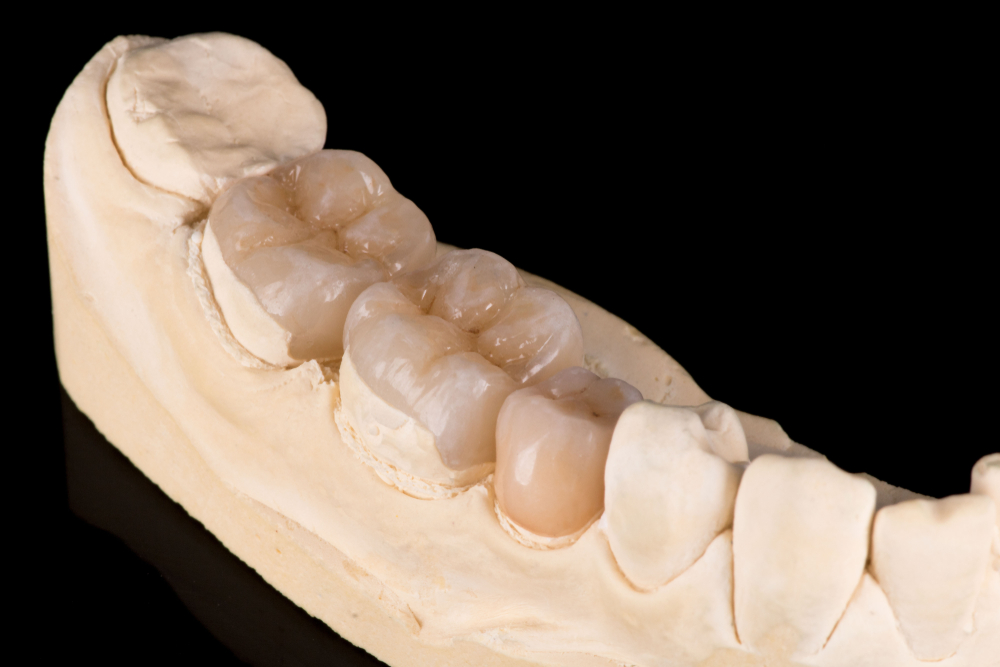
Why do people look for alternatives to dental fillings? Fillings are good for small damage, but they may not be strong enough when a tooth is more damaged or weakened. In these situations, other treatments can better protect the tooth and last longer.
Many people who visit a dentist in Mill Woods ask about options that save more of their natural tooth while still looking and feeling natural. This is where inlays and onlays are often suggested. With today’s advanced dental technology, dental inlays are a popular option for fixing teeth without needing a full crown.
Why Can Tooth Damage Become a Bigger Problem Over Time?
Tooth damage is not only about appearance. When a tooth is cracked, worn, or affected by decay, it can weaken over time. A weak tooth may become sensitive, harder to chew, or more likely to crack further.
If damage is left untreated or restored with a solution that does not offer enough support, it may lead to additional dental issues. That is why dentists often recommend treatments that strengthen the tooth while preserving as much natural structure as possible.
What Are Dental Inlays?
Dental inlays in Millwoods are custom-made restorations that fit neatly inside the grooves of a tooth. They are used when damage is too large for a filling but does not extend to the raised edges of the tooth.
Inlays are created outside the mouth and bonded securely to the tooth. This allows for a precise fit and helps restore strength without covering the entire tooth surface. Search for dental inlays near you when you want a durable option that blends well with your natural teeth.
What Are Dental Onlays?
Dental onlays are similar to inlays but cover a larger area. They extend over one or more raised points of the tooth, known as cusps. Onlays are sometimes called partial crowns because they protect more of the tooth while still conserving healthy areas.
Patients researching dental onlays in Millwoods often do so when a tooth needs more coverage than an inlay can provide, but does not require a full crown.
How Do Inlays and Onlays Work?
The process of placing inlays and onlays is planned carefully to ensure comfort and accuracy. While exact steps may vary, the general process includes:
- Removing damaged or decayed tooth material
- Taking a digital scan or impression
- Designing a custom restoration
- Bonding the inlay or onlay securely to the tooth
This approach allows restorations like dental onlays near you to fit naturally and support everyday chewing.
Who May Benefit From Inlays or Onlays?
Inlays and onlays may be suitable for people who:
- Have moderate tooth decay or cracks
- Want a stronger option than fillings.
- Prefer to preserve natural tooth structure.
- Experience repeated filling failures.
A consultation with a dentist near you helps determine whether an inlay or onlay is appropriate based on the tooth’s condition.
What Materials Are Used for Inlays and Onlays?
Inlays and onlays are commonly made from materials designed to be both strong and natural-looking, such as:
- Porcelain
- Composite resin
Porcelain is often chosen because it closely matches natural tooth colour and supports long-term durability.
How Are Inlays and Onlays Different From Fillings?
| Feature | Fillings | Inlays | Onlays |
| Coverage | Small areas | Inside grooves | One or more cusps |
| Strength | Moderate | High | Very high |
| Fit | Shaped in the tooth | Custom-made | Custom-made |
| Longevity | Shorter | Longer | Longer |
This comparison helps explain why inlays and onlays are often recommended when fillings may not provide enough support.
What Are the Practical Benefits of Inlays and Onlays?
Inlays and onlays offer several practical advantages:
- Help strengthen weakened teeth.
- Preserve more natural tooth structure.
- Provide a precise, secure fit.
- Reduce the chance of future cracks.
For patients exploring dental onlays near you, these restorations provide a balanced solution between fillings and crowns.
Are Inlays and Onlays Safe and Reliable?
Dentists generally follow established standards outlined by the American Dental Association and the Canadian Dental Association. These guidelines focus on safety, proper materials, and long-term tooth preservation.
When placed using accepted dental practices, inlays and onlays are widely used and considered dependable restorative options.
Explore Conservative Tooth Repair Options!
What are the next steps if you are considering inlays or onlays? Inlays and onlays offer a reliable way to restore teeth that need more support than fillings can provide. They help maintain natural tooth structure while improving comfort and function.
If you would like personalized guidance, the team at Dental Elements can explain your options in a clear and supportive way. You can book an appointment to learn whether inlays or onlays are suitable for your individual dental needs.
FAQs
Are inlays and onlays safe for daily use?
Yes. They are commonly used restorations and are placed following standard dental guidelines.
How long do inlays and onlays usually last?
With good oral care, they often last longer than traditional fillings.
Do inlays and onlays look natural?
Modern materials are designed to closely match natural teeth.
Are they always better than fillings?
Not always. They are usually chosen when fillings cannot provide enough strength.