
Dental Implants
Missing teeth can affect chewing, speaking, and the appearance of your smile. Dental implants can be an option for replacing one or more missing teeth when there is enough bone support and the gums are healthy enough for treatment.
At Dental Elements, we assess your oral health, review your needs, and discuss whether dental implants may be appropriate. When implant surgery is needed, we refer patients to a trusted provider for the surgical phase and then help with the restorative phase of treatment.
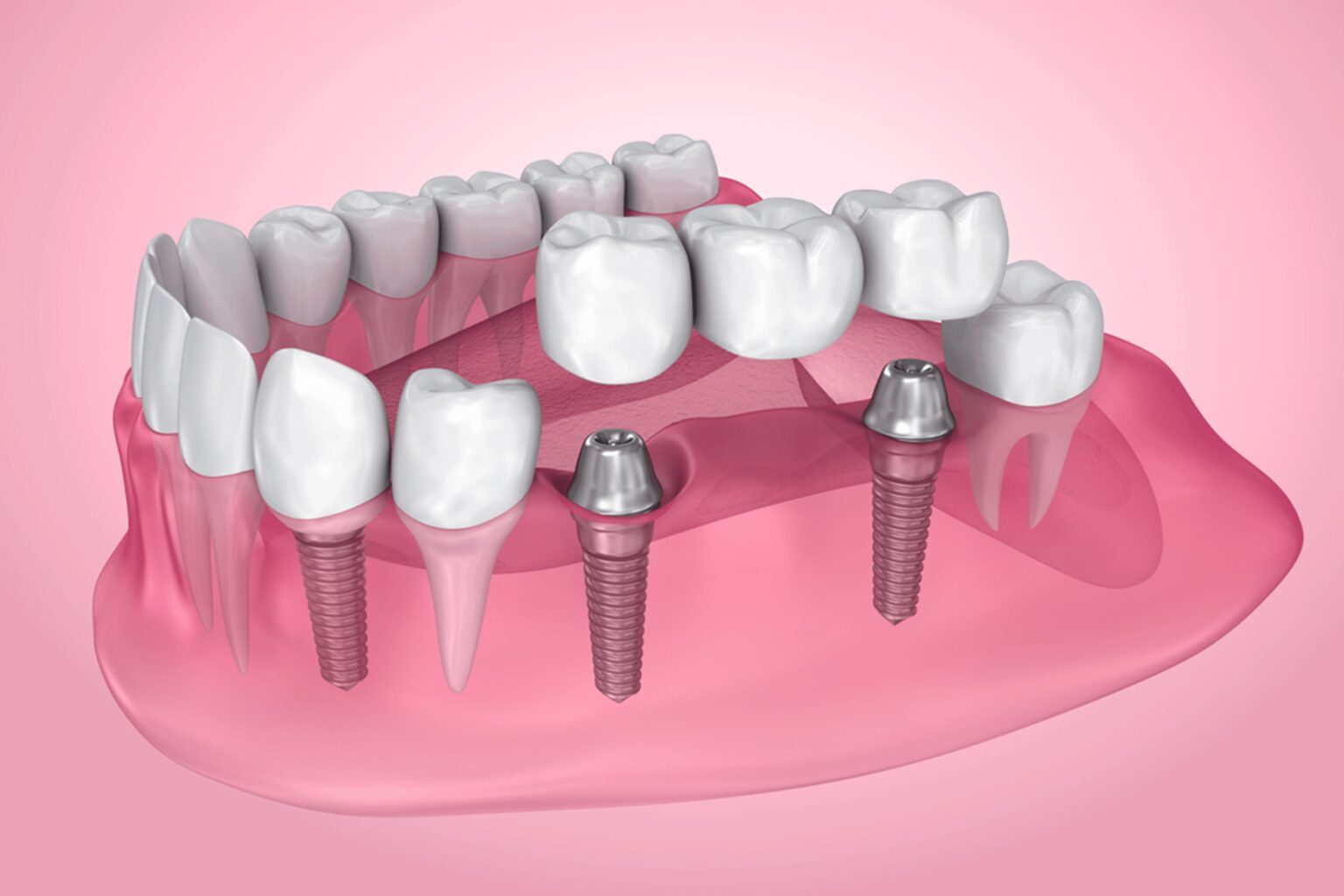
What Are Dental Implants?
A dental implant is a small post that is placed in the jawbone to act as an artificial tooth root. After the implant heals and bonds with the bone, it can support a custom restoration.
A complete implant restoration may include three main parts:
- Implant Post: The post placed in the jawbone
- Abutment: The connector between the implant post and the final restoration
- Restoration: The visible replacement tooth or teeth, such as a crown, bridge, or denture
Dental implants are designed to support stable tooth replacement, but they are not suitable for every patient. A dental exam, X-rays, and a review of your health history are needed before treatment can be recommended.
When Do You Need Dental Implants?
Dental implants may be considered when one or more teeth are missing and you want a fixed or more stable replacement option.
Dental implants may be used for:
- Replacing One Tooth: An implant crown can replace one missing tooth.
- Replacing Multiple Teeth: Implants may support a bridge when several teeth are missing.
- Supporting Dentures: Implants may help stabilize certain types of dentures.
- Improving Chewing: Implant restorations may help support biting and chewing.
- Reducing Tooth Movement: Replacing a missing tooth may help reduce movement of nearby teeth.
- Supporting Jawbone Health: Implants may help preserve bone in the area where a tooth is missing.
Some patients may need other treatment before implants can be considered. This may include gum therapy, tooth extraction, bone grafting, or treatment for decay or infection.
What Happens During Dental Implant Treatment?
Dental implant treatment often happens in stages. The exact timeline depends on your oral health, bone support, healing, and treatment plan.
During treatment, we take the following steps:
- Completing an Assessment: We examine your teeth, gums, bite, bone levels, and medical history.
- Planning Your Care: We discuss your replacement options and explain whether implants may be suitable.
- Referring for Surgery: We refer you to a trusted provider for implant placement when surgery is needed.
- Allowing Time to Heal: The implant usually needs time to bond with the jawbone before the final restoration is placed.
- Taking Impressions or Scans: Once the implant is ready for restoration, we take a mould or a digital scan.
- Creating the Restoration: A custom crown, bridge, or denture is made to fit the implant.
- Attaching the Restoration: We place the final restoration and check the fit, bite, and comfort.
- Reviewing Home Care: We explain how to care for the implant restoration and surrounding gums.
Healing time varies. Some patients may also need temporary tooth replacement while the implant area heals.
Caring for Dental Implants
Implant restorations need regular care, just like natural teeth. While an implant cannot get a cavity, the gums and bone around it can still develop problems if plaque builds up.
To care for your dental implants, you should:
- Brush twice daily.
- Floss or clean between the teeth every day.
- Use recommended cleaning tools around the implant.
- Avoid smoking or tobacco use when possible.
- Wear a nightguard if recommended for grinding or clenching.
- Visit us for regular exams and cleanings.
Good home care and regular dental visits help protect the implant restoration and the tissues that support it.
Restore Missing Teeth with Careful Planning
Dental implants can be a stable option for replacing missing teeth, but they require proper planning and healthy supporting tissues. The right treatment depends on your gums, bone levels, bite, medical history, and personal needs.
At Dental Elements, we can assess your smile, explain your options, and guide you through the restorative part of implant care. If implant surgery is recommended, we will discuss referral options and help coordinate the next steps.
Call or visit us today to schedule a consultation.
FAQ's
What are the benefits of dental implants?
Dental implants can support stable tooth replacement, improve chewing, help fill gaps, and support a natural-looking restoration. They may also help preserve bone in the area where a tooth is missing.
Will my gums grow back after an implant?
Gums do not “grow back” in the same way once tissue has been lost. However, the gum tissue can heal around an implant, and your dental provider will monitor how the area is healing.
How long does it take to recover from a dental implant?
Initial soreness or swelling may improve within several days, but the implant usually needs several months to heal and bond with the jawbone before the final restoration is placed.
How long will I go without a tooth during implant treatment?
This depends on your treatment plan. Some patients may use a temporary denture, flipper, or temporary bridge while the implant area heals.
How can I cover a missing tooth while waiting for an implant?
Temporary options may include a flipper, temporary denture, or temporary bridge. The right option depends on the location of the missing tooth and your treatment plan.
Do you get temporary teeth while waiting for implants to heal?
Some patients can use temporary teeth during healing, but this depends on the case. We can discuss temporary options during your consultation.